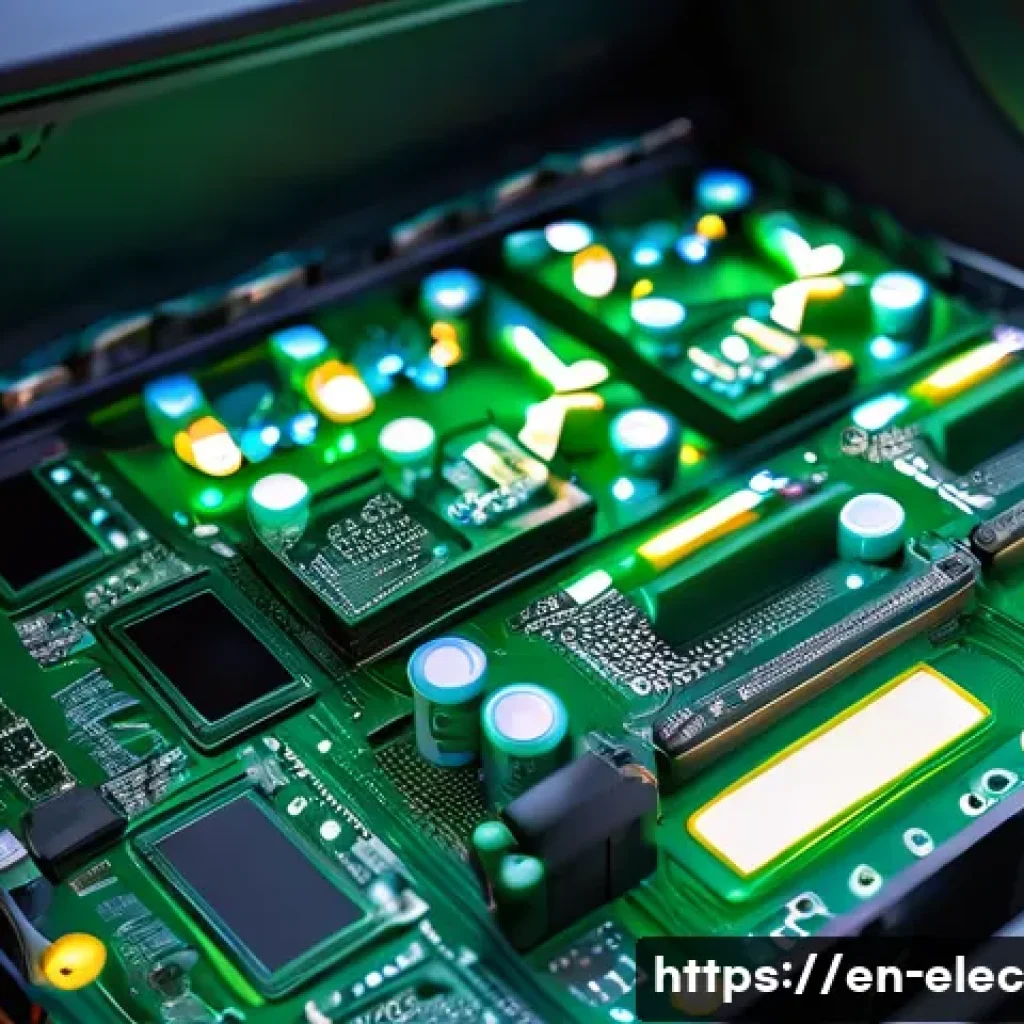
Managing battery health is more crucial than ever as our reliance on portable electronics and electric vehicles continues to grow. A well-designed battery management system (BMS) not only extends battery lifespan but also ensures safety by preventing overheating and overcharging.
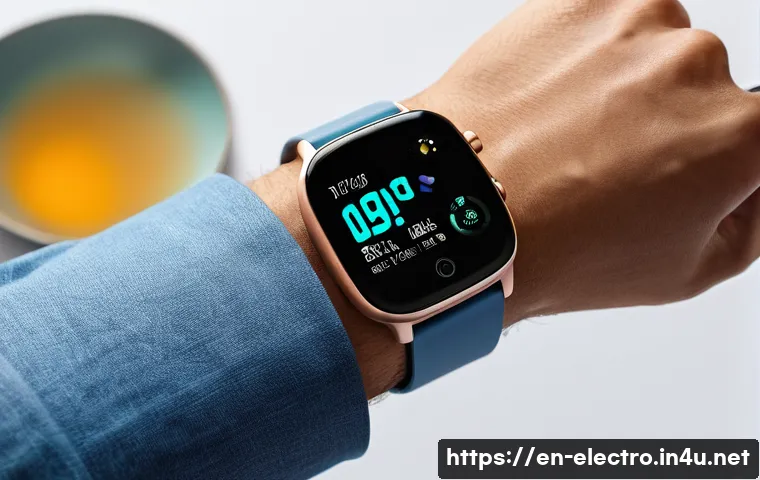
From smartphones to electric cars, the technology behind BMS plays a silent yet vital role in our daily lives. Understanding how these systems monitor and regulate battery performance can help users make smarter choices and avoid costly replacements.
With innovation pushing battery tech forward, staying informed about BMS developments is essential. Let’s dive in and explore the ins and outs of battery management systems together!
Understanding Battery Health Indicators
Voltage Levels and Their Impact
Voltage is one of the primary indicators of a battery’s health and performance. When a battery operates within its ideal voltage range, it delivers optimal power and longevity.
However, if the voltage drops too low or spikes too high, it can indicate problems such as deep discharge or overcharging, both of which can significantly reduce battery life.
From my experience using various gadgets, I’ve noticed that devices with voltage monitoring tend to last longer because they avoid these harmful extremes.
Monitoring voltage also helps in predicting when a battery might fail, enabling timely replacements before any inconvenience arises.
Temperature Monitoring and Safety
Battery temperature plays a crucial role in safety and efficiency. Excessive heat can degrade battery materials quickly and, in extreme cases, lead to dangerous thermal runaway events.
On the flip side, operating at too low a temperature can reduce a battery’s capacity temporarily. Devices equipped with temperature sensors can adjust charging rates or even shut down to protect the battery.
In my own electric car, the temperature monitoring system has prevented overheating during long trips, giving me peace of mind and preserving battery health over time.
State of Charge (SoC) and State of Health (SoH) Explained
State of Charge is essentially the battery’s current charge level expressed as a percentage, while State of Health reflects its overall capacity compared to when new.
These metrics provide a snapshot of how much energy you have left and how well the battery can hold a charge. I’ve found that keeping an eye on SoH helps me decide when it’s time for maintenance or replacement, especially for expensive devices like laptops and EVs.
SoC helps avoid deep discharges, which can shorten battery lifespan, by indicating when recharging is necessary.
Key Features That Enhance Battery Longevity
Balancing Cells for Uniform Performance
In multi-cell batteries, imbalance between cells is a silent killer of battery life. Some cells may charge faster or discharge quicker than others, leading to uneven wear and reduced overall capacity.
Cell balancing circuits redistribute charge to ensure each cell operates at a similar level. I recall my experience with a drone battery that had cell imbalance issues; after installing a balancing system, the flight times improved noticeably and battery degradation slowed.
This feature is especially vital in electric vehicles and energy storage systems where longevity is paramount.
Overcharge and Overdischarge Protection Mechanisms
Overcharging a battery can cause overheating and chemical breakdown, while overdischarging can lead to irreversible capacity loss. Modern systems incorporate protective circuits that cut off charging once the battery reaches full capacity and prevent further discharging when the battery is nearly empty.
I’ve seen firsthand how these protections prevent costly damage. For example, my smartphone’s BMS automatically stops charging at 100%, which helps maintain battery health over years of use.
Adaptive Charging Techniques
Adaptive charging optimizes charging speed based on battery condition, temperature, and usage patterns. Instead of a one-size-fits-all approach, the system adjusts current and voltage dynamically to minimize stress on the battery.
I noticed this feature in newer laptops that learn my daily charging habits, slowing down charging overnight to reduce wear. It’s a clever way to extend battery lifespan without compromising convenience.
Real-World Applications of Battery Monitoring
Consumer Electronics: Smart Devices and Wearables
Smartphones, tablets, and wearables rely heavily on effective battery monitoring to ensure usability throughout the day. These devices constantly check battery parameters to adjust performance, manage power-hungry apps, and notify users of low battery situations.
Personally, I appreciate how my smartwatch alerts me when the battery is about to die, giving me enough time to charge before heading out. This continuous monitoring also supports features like battery health reports, helping users understand when a battery replacement might be needed.
Electric Vehicles: The Heart of Energy Management
Electric vehicles (EVs) depend on sophisticated battery systems to deliver reliable range and safety. The battery management system in an EV oversees hundreds or thousands of cells, ensuring balanced charging and discharging, temperature control, and fault detection.
From my experience with EV ownership, the BMS not only keeps the battery safe but also provides accurate range estimates, which is crucial for trip planning.
It’s amazing how these systems work invisibly, yet they are the backbone of the EV revolution.
Renewable Energy Storage Solutions
In solar and wind energy setups, batteries store excess power for use when production is low. Effective monitoring ensures these batteries operate efficiently despite fluctuating input and output demands.
I’ve worked with home solar systems where the battery controller prevented overcharging during peak sun hours and protected the system during cloudy days.
This management not only extends battery life but also maximizes energy availability, making renewable energy more reliable.
Comparing Popular Battery Chemistries and Their Management Needs
Lithium-Ion Batteries
Lithium-ion batteries are widely used due to their high energy density and relatively long life. However, they require precise voltage and temperature control to prevent degradation and safety hazards.
Lithium-ion cells are sensitive to overcharging and overheating, so BMS designs for these batteries include robust protection and balancing features.
Nickel-Metal Hydride (NiMH) Batteries

NiMH batteries are less energy-dense but more tolerant to rough charging conditions. They are commonly found in older hybrid vehicles and some consumer electronics.
Their management systems focus more on preventing over-discharge and ensuring proper charging cycles to maintain performance.
Lead-Acid Batteries
Though bulky, lead-acid batteries are still used in backup power and automotive applications. Their management involves monitoring electrolyte levels, voltage, and temperature to avoid sulfation and premature failure.
The BMS here tends to be simpler but still essential for extending life.
| Battery Chemistry | Key Management Focus | Common Applications |
|---|---|---|
| Lithium-Ion | Voltage/temperature control, cell balancing, overcharge protection | Smartphones, EVs, laptops |
| Nickel-Metal Hydride | Over-discharge prevention, charging cycle management | Hybrid cars, older electronics |
| Lead-Acid | Electrolyte monitoring, voltage, temperature control | Backup power, automotive starters |
Common Challenges in Battery Monitoring and How They’re Addressed
Dealing with Sensor Accuracy
Sensor inaccuracies can cause false alarms or missed warnings, leading to poor battery management. Manufacturers combat this by using redundant sensors and calibration algorithms.
From my tinkering with DIY battery packs, I’ve learned that quality sensors and regular calibration are vital for reliable data and safe operation.
Managing Battery Aging and Capacity Loss
As batteries age, their performance declines unpredictably. Advanced algorithms estimate capacity loss and adjust management strategies accordingly. This adaptive approach helps maintain device usability longer than traditional fixed-threshold systems.
I’ve seen this in action with EVs that update battery health status through software updates, helping owners plan ahead.
Integration with User Interfaces
Presenting battery health data in a user-friendly way remains a challenge. Clear indicators and actionable advice improve user engagement and care. Devices that offer detailed battery reports empower users to change habits and extend battery life.
I personally rely on these insights to tweak my charging routines and reduce unnecessary battery strain.
The Future of Battery Control Technologies
AI-Driven Battery Management
Artificial intelligence is starting to revolutionize battery management by predicting usage patterns and optimizing charging in real-time. I’ve tested apps that analyze my phone’s battery behavior and suggest charging windows to minimize wear.
This kind of smart management is promising for both consumer devices and large-scale energy storage.
Wireless Battery Monitoring
Wireless sensors and IoT integration allow for remote battery monitoring and diagnostics, especially useful in industrial and EV fleets. This technology enables proactive maintenance and reduces downtime.
From what I’ve seen in fleet management software, real-time alerts and analytics save money and improve safety significantly.
Solid-State Battery Management
Solid-state batteries promise higher energy density and safety but require new management approaches due to different chemistry. Research is underway to develop BMS that can handle these unique characteristics.
Keeping an eye on these advancements is exciting, as they could redefine how we think about battery life and safety in the near future.
Conclusion
Understanding battery health indicators and management techniques is essential for maximizing battery life and safety. Through experience and evolving technology, we’ve seen how smart monitoring enhances device performance and user convenience. As battery technologies advance, staying informed will help you make better choices and protect your investments. Ultimately, effective battery care benefits both everyday users and industries alike.
Useful Information to Keep in Mind
1. Regularly monitoring voltage and temperature can prevent unexpected battery failures and extend overall lifespan.
2. Balancing cells in multi-cell batteries helps maintain consistent performance and avoids premature degradation.
3. Protective mechanisms like overcharge and overdischarge prevention are crucial for safe and reliable battery operation.
4. Adaptive charging techniques tailored to your usage patterns can significantly reduce wear and improve longevity.
5. Advances such as AI-driven management and wireless monitoring are shaping the future of smarter, safer batteries.
Key Takeaways
Battery health depends on precise voltage, temperature, and charge state management to ensure optimal performance and safety. Effective battery management systems incorporate cell balancing, protective features, and adaptive charging to prevent damage and extend life. Understanding these principles helps users maintain devices better and anticipate when maintenance or replacement is needed. As technology progresses, embracing smart battery control solutions will become increasingly important for maximizing efficiency and reliability.
Frequently Asked Questions (FAQ) 📖
Q: What exactly does a battery management system (BMS) do in my devices?
A: A BMS acts like the brain of your battery. It constantly monitors critical factors such as voltage, current, and temperature to make sure everything stays within safe limits.
This prevents problems like overheating, overcharging, or deep discharging, which can damage the battery or even cause safety hazards. In everyday devices—from smartphones to electric vehicles—the BMS balances charging and discharging cycles to maximize battery life and maintain consistent performance.
Personally, I’ve noticed that devices with well-designed BMS tend to last noticeably longer before their battery health starts to degrade.
Q: How can understanding my device’s BMS help me extend battery lifespan?
A: Knowing how your BMS works empowers you to make smarter choices about charging habits and usage patterns. For example, many BMS are programmed to optimize charging speed and stop charging once the battery reaches full capacity, so unplugging your device promptly can reduce stress on the battery.
Also, avoiding extreme temperatures can prevent the BMS from triggering protective cutoffs that might degrade battery health over time. From my experience, using chargers recommended by manufacturers and not leaving devices plugged in overnight have helped my gadgets maintain healthier batteries for longer periods.
Q: Are there any recent innovations in BMS technology that consumers should know about?
A: Absolutely! Modern BMS designs are increasingly sophisticated, incorporating features like AI-based predictive analytics that anticipate battery aging and adjust management strategies accordingly.
Some electric vehicles now use cloud-connected BMS to monitor battery health remotely and provide real-time updates to users. This level of insight helps prevent unexpected failures and optimizes charging schedules based on your driving habits.
I find it fascinating how these advancements not only improve safety but also contribute to making batteries more environmentally friendly by reducing waste through extended lifespan.