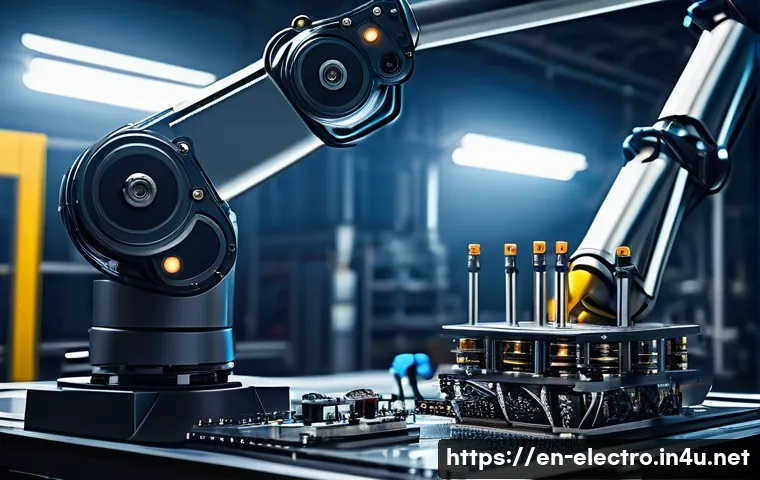
The fusion of electrical engineering and robotics is transforming industries at an unprecedented pace. From automation in manufacturing to advanced medical devices, electrical engineering principles power the intelligence and precision behind modern robots.

As technology evolves, the role of electrical engineers in designing efficient, adaptable robotic systems becomes more critical than ever. These innovations not only boost productivity but also open new frontiers in AI-driven applications.
Curious about how electrical engineering shapes the future of robotics? Let’s dive deeper and explore the fascinating details ahead!
Power Electronics: The Heartbeat of Robotic Movement
Precision Control Through Advanced Motor Drives
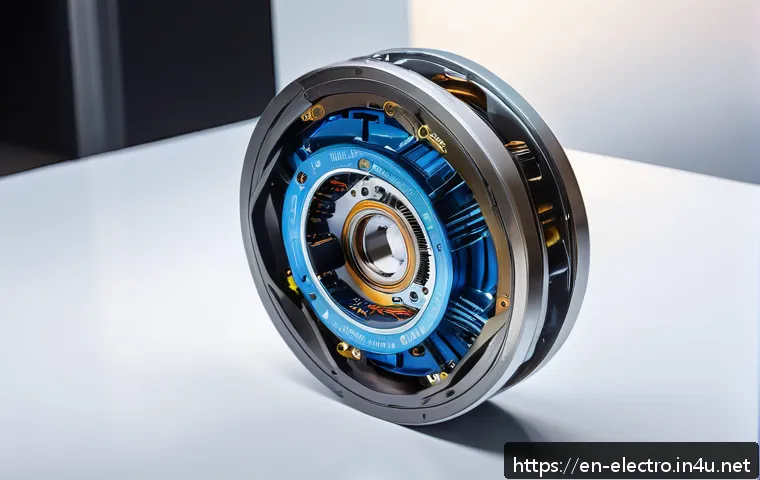
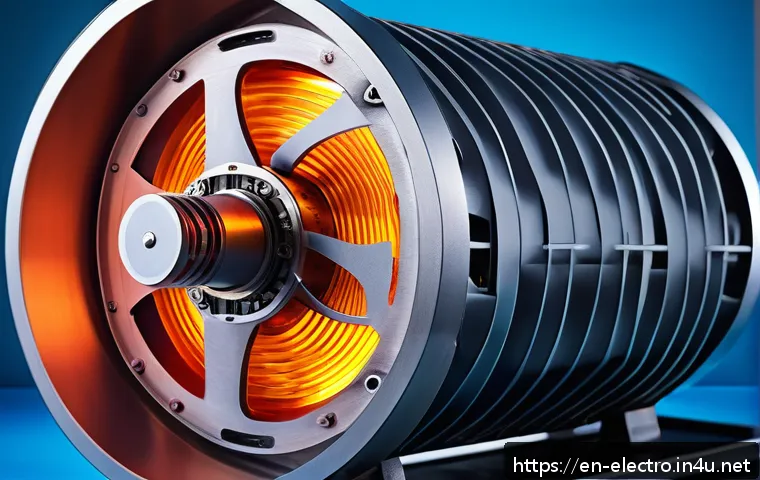
When I first delved into the world of robotics, I was amazed by how crucial power electronics are to every robotic movement. The motor drives convert electrical energy into mechanical motion with pinpoint accuracy.
Unlike traditional motors, these drives use sophisticated pulse-width modulation techniques to finely tune speed and torque. This means robots can perform delicate tasks, like assembling tiny electronic components or performing microsurgery, with unmatched precision.
The beauty lies in the seamless integration of sensors and power electronics, which constantly adjust the motor’s behavior in real-time, making robots highly adaptable to varying operational demands.
Energy Efficiency in Robotics Systems
One of the challenges I’ve noticed working with robotic systems is managing power consumption without sacrificing performance. Electrical engineers play a vital role in designing energy-efficient circuits that optimize battery life and reduce heat dissipation.
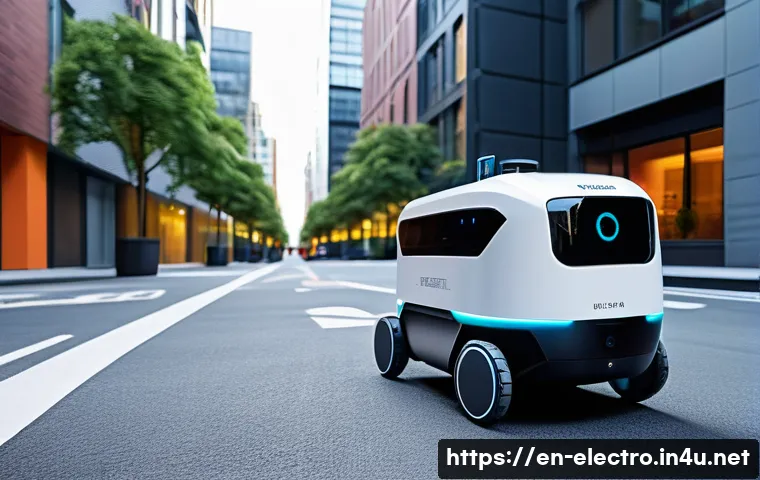
Techniques such as regenerative braking and soft switching have been game changers. For example, in autonomous delivery robots, efficient power management means longer operational hours, reducing downtime and maintenance costs.
In essence, the smarter the power system, the more sustainable and cost-effective the robotic solution becomes.
Robust Power Supply Design for Harsh Environments
Robots don’t always operate in controlled lab settings. Many face tough environments, like factories with heavy machinery vibrations or outdoor terrains with temperature extremes.
Electrical engineers design power supplies that withstand these conditions without failure. I recall a project where the power supply had to endure high electromagnetic interference and still maintain stable voltage for a robotic arm.
By selecting rugged components and incorporating advanced filtering techniques, we achieved reliable operation, proving that robust power design is fundamental to real-world robotics.
Sensor Integration: Bringing Robots to Life
Multi-Sensor Fusion for Enhanced Perception
In my experience, the magic of robotics often comes from how well it “senses” the world. Electrical engineering enables the integration of multiple sensors—like LIDAR, ultrasonic, infrared, and cameras—to provide a comprehensive environmental understanding.
Sensor fusion algorithms combine these data streams, allowing robots to navigate complex spaces or detect subtle changes. For instance, in autonomous vehicles, this fusion is essential for safety and decision-making.
The complexity lies not only in hardware but also in synchronizing sensor data to avoid delays or inaccuracies.
Real-Time Data Processing and Feedback Loops
The real power of sensors shines when paired with real-time processing. I’ve seen systems where microcontrollers and FPGA-based platforms analyze sensor inputs instantly to adjust a robot’s actions.
This feedback loop is critical for stability and responsiveness. Take robotic prosthetics, for example: sensors detect muscle signals or pressure changes, and the control system adjusts movements on the fly.
This tight coupling between sensing and actuation is what makes modern robots feel almost lifelike.
Challenges in Sensor Calibration and Reliability
Sensors are not perfect, and their performance can drift over time due to environmental factors or wear. Maintaining accuracy requires regular calibration, which can be tricky in autonomous systems operating unattended.
I’ve faced issues where sensor noise led to erratic robot behavior, forcing redesigns in filtering and error correction methods. This aspect highlights the ongoing role of electrical engineers in ensuring sensor reliability, which directly impacts the robot’s overall effectiveness.
Embedded Systems: The Brain Behind Robotic Intelligence
Microcontroller Selection and Custom Firmware
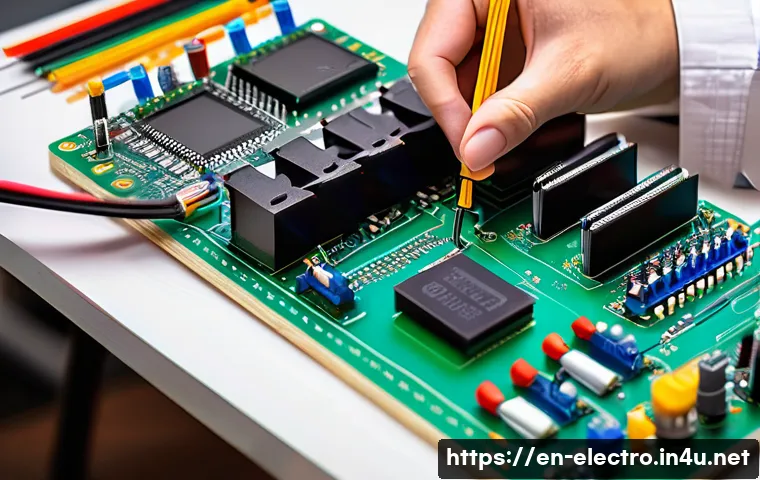
Choosing the right microcontroller can make or break a robotic project. From my hands-on experience, balancing processing power, energy consumption, and peripheral support is key.
Custom firmware tailored to the robot’s specific tasks enhances performance and responsiveness. For example, a drone’s embedded system must handle flight stabilization algorithms, sensor inputs, and communication protocols simultaneously without lag.
Crafting efficient code that leverages hardware capabilities maximizes uptime and reliability.
Communication Protocols for Seamless Coordination
Robots rarely operate in isolation; they communicate with other machines or cloud services. Electrical engineers implement robust communication protocols like CAN, SPI, I2C, and Ethernet to ensure fast, error-free data exchange.
In industrial automation, I noticed that protocol selection directly affects how well robots coordinate on assembly lines, impacting throughput and safety.
Designing these communication layers involves addressing latency, bandwidth, and fault tolerance, all of which require deep electrical engineering insight.
Security Considerations in Embedded Robotics
As robotics becomes more connected, cybersecurity grows in importance. Embedded systems must safeguard against unauthorized access and data breaches. From personal experience, integrating secure boot, encryption, and authentication mechanisms in the firmware is a necessity, especially for medical or defense robots.
Electrical engineers collaborate closely with cybersecurity experts to embed security at the hardware and software levels, protecting sensitive operations and user data from potential threats.
Advanced Control Systems: Mastering Robot Behavior
Adaptive Control Algorithms
One of the most exciting areas I’ve worked on involves adaptive control systems that allow robots to learn and adjust to new conditions. Unlike static controllers, adaptive algorithms modify control parameters in real-time based on sensor feedback and environmental changes.
This capability is crucial in unpredictable settings, such as search and rescue missions or dynamic manufacturing lines. The challenge lies in developing stable, robust algorithms that can handle noisy inputs without causing instability.
Model Predictive Control for Precision Tasks
Model predictive control (MPC) has been a game changer in high-precision robotics. I recall implementing MPC on a robotic arm tasked with delicate assembly work, where the system predicted future states and optimized movements accordingly.
This foresight reduces overshoot and enhances smoothness, improving product quality. MPC’s computational complexity demands powerful embedded processors and efficient electrical designs to ensure real-time operation.
Human-Robot Interaction Control Strategies
Controlling robots that interact closely with humans requires special attention to safety and responsiveness. Force feedback sensors and compliant actuators, designed by electrical engineers, enable robots to “feel” their environment and adjust accordingly.
For example, in collaborative robots (cobots) used in factories, control systems must instantly detect human presence and modify behavior to avoid accidents.
This blend of control theory and electrical engineering safeguards workers while maintaining productivity.
Robotics Power Management: Balancing Performance and Longevity
Battery Technologies and Charging Solutions
From my projects, battery choice profoundly influences a robot’s operational capability. Lithium-ion batteries dominate due to their high energy density, but emerging solid-state batteries promise even better safety and lifespan.
Efficient charging circuits and wireless charging options are also evolving, allowing robots to recharge autonomously. For example, warehouse robots that dock and charge during idle times maximize uptime, a direct result of smart power management design.
Thermal Management Techniques
Heat is an invisible enemy in compact robotic systems. Electrical engineers design cooling solutions such as heat sinks, fans, and even liquid cooling to maintain optimal operating temperatures.
I’ve encountered situations where inadequate thermal design caused premature component failure, forcing costly redesigns. Effective thermal management ensures reliability and extends the life of sensitive electronics inside robots.
Power Distribution Networks in Robotics
Distributing power efficiently across multiple subsystems is no small feat. I’ve seen complex robots with several voltage domains requiring careful design of power rails and protection circuits.
Balancing load demands while minimizing voltage drops and interference calls for detailed electrical planning. A well-designed power distribution network is the backbone of any advanced robotic system, ensuring consistent performance and safety.
Emerging Materials and Components in Robotic Hardware
Flexible Electronics for Wearable Robotics
Flexible electronics have opened new doors in wearable robotics, such as exoskeletons and assistive devices. These materials conform to the human body, offering comfort without compromising functionality.
I’ve tested flexible printed circuit boards that maintain conductivity even when bent or stretched, enabling sensors and actuators embedded in clothing.
This innovation merges electrical engineering with materials science, broadening robotics’ application scope.
Miniaturization Through Advanced Semiconductors
Miniaturizing components while enhancing performance is a constant quest. Advanced semiconductor technologies, including GaN and SiC transistors, provide higher efficiency and thermal tolerance.
My work with micro-robots relied heavily on these components to pack more power into smaller footprints, enabling precise movement and longer battery life.
This trend pushes the limits of what robots can do in confined spaces.
Smart Materials for Adaptive Robotics
Smart materials that change properties in response to electrical stimuli are revolutionizing robotics. Piezoelectric actuators and shape-memory alloys allow robots to adapt their shape or stiffness on demand.
I’ve seen prototypes where these materials enable soft robots to squeeze through tight spaces or alter grip strength dynamically. Electrical engineers integrate control circuits that precisely trigger these materials, blending hardware innovation with creative applications.
Comparison of Key Electrical Components in Robotics
| Component | Function | Key Benefits | Common Challenges |
|---|---|---|---|
| Motor Drives | Convert electrical energy to mechanical motion | High precision, adjustable speed and torque | Heat dissipation, efficiency losses |
| Sensors | Detect environmental or internal parameters | Enhanced perception, real-time feedback | Calibration drift, noise interference |
| Microcontrollers | Process data and control robotic functions | Custom firmware, multitasking | Power consumption, limited processing power |
| Power Supplies | Provide stable voltage and current | Reliable operation, energy efficiency | Environmental robustness, size constraints |
| Communication Modules | Enable data exchange between systems | Fast, reliable, scalable networks | Latency, security vulnerabilities |
Conclusion
Power electronics and embedded systems form the backbone of modern robotics, enabling precise control, efficient energy use, and robust performance across diverse environments. Integrating advanced sensors and adaptive algorithms makes robots more responsive and intelligent than ever before. As technology evolves, the synergy between electrical engineering and robotics continues to drive innovation, unlocking new possibilities in automation and human-robot collaboration.
Useful Information to Know
1. Advanced motor drives use pulse-width modulation to achieve precise speed and torque control, essential for delicate robotic tasks.
2. Energy-saving techniques like regenerative braking extend robot operational time and reduce maintenance needs.
3. Sensor fusion combines multiple data sources, improving robots’ environmental awareness and decision-making capabilities.
4. Selecting the right microcontroller and optimizing firmware are critical for balancing performance and power consumption in embedded systems.
5. Thermal management and rugged power supply design ensure reliability and longevity in challenging robotic applications.
Key Takeaways
Effective robotic systems depend on carefully engineered power electronics that balance precision and efficiency. Sensor integration and real-time feedback loops are vital for responsive behavior, while secure, robust embedded systems protect and coordinate robot functions. Advanced control algorithms enhance adaptability and safety, especially in human-robot interactions. Finally, innovations in materials and power management continue to push the boundaries of what robots can achieve, making electrical engineering a cornerstone of robotic advancement.
Frequently Asked Questions (FAQ) 📖
Q: How does electrical engineering contribute to the development of robotics?
A: Electrical engineering is at the heart of robotics because it provides the essential principles behind sensors, actuators, control systems, and power management.
Without electrical engineers designing efficient circuits and communication protocols, robots wouldn’t be able to process information or perform tasks accurately.
In my experience working with robotic prototypes, the integration of electrical components is what turns a mechanical structure into an intelligent, responsive machine.
Q: What industries benefit the most from combining electrical engineering with robotics?
A: Manufacturing is one of the biggest beneficiaries, where automation powered by electrical engineering boosts speed and precision while reducing human error.
Beyond that, medical robotics—like surgical robots or rehabilitation devices—rely heavily on advanced electrical systems for safety and fine control. I’ve seen firsthand how these industries adopt robotics not just to cut costs but to improve quality and open new possibilities, such as remote surgeries or personalized treatment.
Q: What future trends should we expect in robotics driven by electrical engineering advancements?
A: Expect to see smarter, more adaptable robots that can learn and respond to complex environments thanks to better sensors, energy-efficient designs, and AI integration.
Electrical engineering is pushing boundaries in miniaturization and wireless communication, enabling robots to work collaboratively and autonomously. From my perspective, this means robots will become more embedded in everyday life—from smart homes to autonomous vehicles—making them more accessible and useful than ever before.