With energy costs on the rise and environmental concerns becoming impossible to ignore, finding smart ways to cut down your utility bills has never been more urgent.
Imagine slashing your monthly expenses without sacrificing comfort—sounds too good to be true? Well, it’s not. By adopting some simple yet effective energy-saving habits, you can unlock hidden savings right from your home.
Whether you’re a homeowner or renting an apartment, these proven techniques can make a real difference. Stick around as we dive into practical tips that not only lower your bills instantly but also contribute to a greener planet.
Ready to take control of your energy use and watch those savings grow? Let’s get started!
Maximizing Efficiency in Everyday Appliances
Understanding Appliance Energy Ratings
When it comes to appliances, not all are created equal in energy consumption. The energy rating label, often overlooked, holds the key to long-term savings.
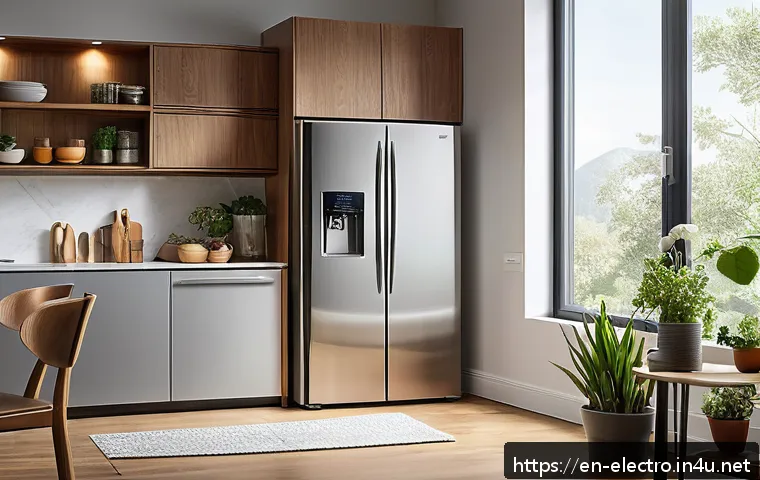
By choosing appliances with higher efficiency ratings, you reduce electricity usage without losing performance. For example, opting for an Energy Star-certified dishwasher or refrigerator can cut energy costs by up to 20%.
This upfront investment pays off quickly, especially as utility rates climb. I’ve personally swapped my old fridge for a newer model with a high energy rating, and the difference in my monthly bill was noticeable within just a few months.
It’s a simple switch that anyone can make to start saving immediately.
Smart Usage Patterns for Common Devices
Beyond buying efficient models, how and when you use your appliances matters a lot. Running your washing machine or dishwasher during off-peak hours can lower costs if your utility provider offers time-of-use rates.
Also, avoid half-load cycles; wait until you have a full load to maximize energy use per cycle. I used to run my washer every day with small loads, but switching to fewer, fuller loads cut my energy consumption noticeably.
Additionally, turning off devices rather than leaving them on standby helps trim the invisible energy drain—something many people don’t realize adds up over time.
Maintenance Tips That Boost Performance
Keeping appliances well-maintained improves their efficiency and lifespan. Cleaning refrigerator coils, replacing dryer lint filters, and descaling coffee makers are simple tasks that keep devices running smoothly.
I learned this the hard way when my air conditioner’s efficiency plummeted due to clogged filters. After a quick maintenance session, it cooled my home faster and used less power.
Regular maintenance not only saves money on energy bills but also prevents costly repairs down the road.
Optimizing Home Heating and Cooling Without Breaking the Bank
Sealing and Insulating for Better Temperature Control
One of the most effective ways to reduce heating and cooling costs is to prevent energy from escaping your home. Drafts around windows and doors are notorious culprits.
Weatherstripping and caulking are inexpensive fixes that make a big difference. I once ignored a persistent cold draft near my front door until I sealed it properly; the warmth in my living room improved instantly, and my heater didn’t have to work overtime.
Adding insulation to attics or basements is another step that pays dividends, especially in regions with extreme temperatures.
Programmable Thermostats: Your Automated Savings Partner
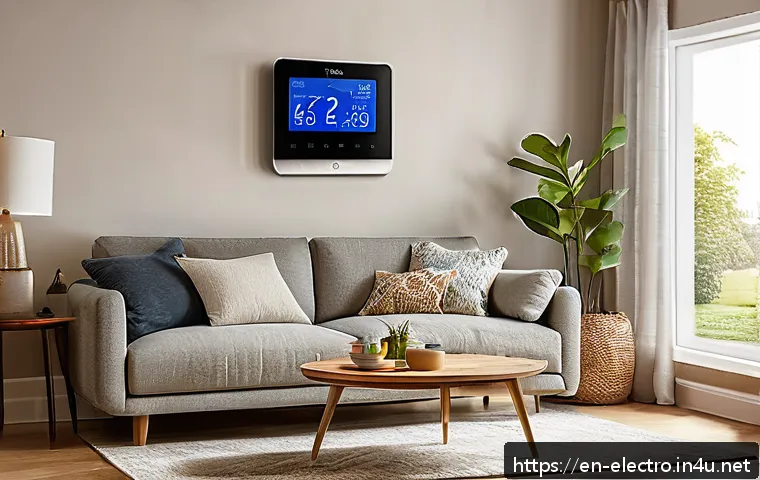
Investing in a programmable or smart thermostat allows you to tailor heating and cooling schedules to your lifestyle. Setting your system to lower temperatures when you’re asleep or away can reduce wasted energy significantly.
I installed a smart thermostat and was surprised at how much energy I saved just by automating the temperature drop during work hours. The convenience of controlling it remotely also means I’m never heating or cooling an empty house, which is both eco-friendly and wallet-friendly.
Ceiling Fans and Natural Ventilation
Using ceiling fans strategically can reduce reliance on air conditioning. Fans help circulate air, making rooms feel cooler without dropping the thermostat.
I often run fans during summer evenings to enjoy fresh air from open windows, cutting down on AC use. In colder months, reversing fan direction pushes warm air down from the ceiling, enhancing heating efficiency.
This simple habit requires minimal effort but delivers noticeable energy savings.
Lighting That Saves Energy and Sets the Mood
Switching to LED Bulbs
LED bulbs are a no-brainer when it comes to cutting electricity use for lighting. They consume up to 80% less energy than traditional incandescent bulbs and last much longer.
When I replaced all the bulbs in my home with LEDs, my lighting-related energy bill dropped significantly. Plus, LEDs are available in various color temperatures, so you don’t have to sacrifice ambiance for efficiency.
Using Natural Light to Your Advantage
Maximizing daylight reduces the need for artificial lighting. Arrange furniture near windows and use light-colored curtains or blinds to reflect sunlight.
During daytime, I keep my blinds open and rely almost exclusively on natural light, which brightens my space beautifully and trims down energy use. This approach not only saves money but also benefits your mood and productivity.
Smart Lighting Controls
Installing motion sensors, dimmers, or timers helps prevent lights from being left on unnecessarily. In my experience, these controls are especially handy in rooms like hallways and bathrooms where lights tend to be forgotten.
Smart home systems can even automate lighting based on your schedule, adding convenience and savings without extra effort.
Water Heating Strategies That Cut Costs
Lowering Water Heater Temperature
Many water heaters are set higher than necessary, wasting energy. Reducing the thermostat to around 120°F (49°C) is sufficient for most household needs and prevents scalding.
I adjusted my water heater’s temperature and noticed a drop in my utility bill almost immediately. It’s a small tweak with a surprisingly big impact on energy consumption.
Insulating Water Heater and Pipes
Wrapping your water heater and insulating hot water pipes helps retain heat, reducing the energy needed to keep water warm. After insulating my water heater, hot water stayed warmer for longer, meaning the heater cycled on less frequently.
This simple upgrade is inexpensive and easy to do yourself, making it a great option for renters and homeowners alike.
Installing Low-Flow Fixtures
Low-flow showerheads and faucets reduce water usage without compromising pressure. Using less hot water lowers energy costs related to heating. I installed low-flow showerheads and found that my showers remained comfortable, but my water and energy bills dropped.
It’s a win-win for your wallet and the environment.
Smart Habits That Make a Big Difference
Unplugging and Power Strips
Many electronics draw power even when turned off—a phenomenon called “phantom load.” Using power strips to easily switch off groups of devices can prevent this unnecessary drain.
I keep all my entertainment gadgets on a single power strip, so when I’m done, I just flip one switch. It’s a minor habit that adds up to significant savings over time.
Adopting Energy-Conscious Cooking Methods
Cooking habits can influence energy use more than you might think. Using lids on pots, matching pot size to burner size, and using microwaves or pressure cookers for appropriate meals reduce cooking time and energy.
I started covering my pots and noticed meals cooked faster with less energy. Small adjustments like these make daily routines greener and cheaper.
Regular Energy Audits at Home
Taking the time to perform a self-audit on your home’s energy use helps identify wasteful habits or inefficient devices. I periodically review my bills, inspect appliances, and adjust my habits accordingly.
This proactive approach keeps me aware and motivated to maintain energy efficiency, ensuring ongoing savings and environmental benefits.
Comparing Energy-Saving Methods and Their Impact
| Method | Estimated Energy Savings | Initial Cost | Ease of Implementation | Additional Benefits |
|---|---|---|---|---|
| Switching to LED Bulbs | Up to 80% | Low | Easy | Long lifespan, better lighting quality |
| Installing Programmable Thermostat | 10-15% | Moderate | Moderate | Convenience, remote control |
| Sealing Drafts and Adding Insulation | 15-30% | Low to Moderate | Moderate | Improved comfort, reduced noise |
| Using Low-Flow Fixtures | 10-20% (water heating) | Low | Easy | Water conservation |
| Unplugging Devices/Using Power Strips | 5-10% | Very Low | Easy | Reduced phantom load |
Leveraging Technology to Track and Control Usage
Energy Monitoring Devices
Using smart plugs and energy monitors helps you see exactly where your energy is going. I installed a few smart plugs around my home and was surprised to find some devices consuming power even when not in use.
This insight allowed me to adjust habits and unplug or replace energy hogs.
Mobile Apps for Energy Management
Many utility companies and third-party developers offer apps that provide real-time usage data and tips. These tools make it easier to stay on top of your energy consumption.
I rely on an app that alerts me when my consumption spikes, prompting me to investigate and curb wasteful behaviors quickly.
Integrating Smart Home Systems
Smart home ecosystems can automate lighting, heating, and appliance control based on your presence and preferences. This level of automation ensures energy is used only when needed.
I’ve integrated my lighting and thermostat with voice assistants, which not only saves energy but also adds a layer of convenience I didn’t expect to enjoy so much.
In Closing
Maximizing energy efficiency in your home doesn’t require drastic changes—small, thoughtful adjustments can lead to significant savings. By understanding how your appliances work and adopting smart habits, you protect both your wallet and the environment. I encourage you to start with one or two tips and build from there, making energy efficiency a natural part of daily life.
Helpful Information to Keep in Mind
1. Energy ratings on appliances are your best guide to long-term savings—always check before buying.
2. Running appliances during off-peak hours can lower your electricity bill if your utility offers time-of-use rates.
3. Regular maintenance like cleaning coils and filters keeps appliances running efficiently and extends their lifespan.
4. Using programmable thermostats and smart home technology can automate savings without sacrificing comfort.
5. Simple habits like unplugging devices and using LED lighting add up to meaningful reductions in energy use.
Key Takeaways
Understanding and managing your home’s energy consumption is a blend of smart purchasing decisions, effective usage patterns, and consistent upkeep. Prioritizing high-efficiency appliances, sealing drafts, and integrating technology can collectively reduce energy waste. Remember, even minor changes like lowering your water heater temperature or using low-flow fixtures contribute to substantial savings over time. Ultimately, staying informed and proactive empowers you to maintain comfort while minimizing costs and environmental impact.
Frequently Asked Questions (FAQ) 📖
Q: What are some easy energy-saving habits I can start at home without spending much money?
A: You’d be surprised how small changes can add up to big savings. Simple actions like turning off lights when you leave a room, unplugging devices that aren’t in use, and using energy-efficient LED bulbs can make a noticeable difference.
Also, adjusting your thermostat by just a couple of degrees—lower in winter and higher in summer—helps reduce energy consumption without sacrificing comfort.
These habits don’t require upfront investment and can lower your monthly bills right away.
Q: How can renters save on energy bills if they can’t make major home improvements?
A: Renters definitely have options to cut energy costs without changing the property structure. Using draft stoppers on doors and windows, adding thermal curtains, and using smart power strips to prevent phantom energy drain are all renter-friendly tips.
Also, being mindful about heating and cooling—like closing vents in unused rooms or using fans instead of AC when possible—can help. These small steps are practical, affordable, and can lead to noticeable savings.
Q: Will saving energy at home really make a difference for the environment?
A: Absolutely. When you reduce your energy use, you’re directly cutting down on the demand for electricity, which often comes from fossil fuels. This means fewer greenhouse gas emissions and a smaller carbon footprint.
Beyond personal savings, widespread adoption of energy-efficient habits can collectively lead to significant environmental benefits. It feels great knowing your efforts help both your wallet and the planet.