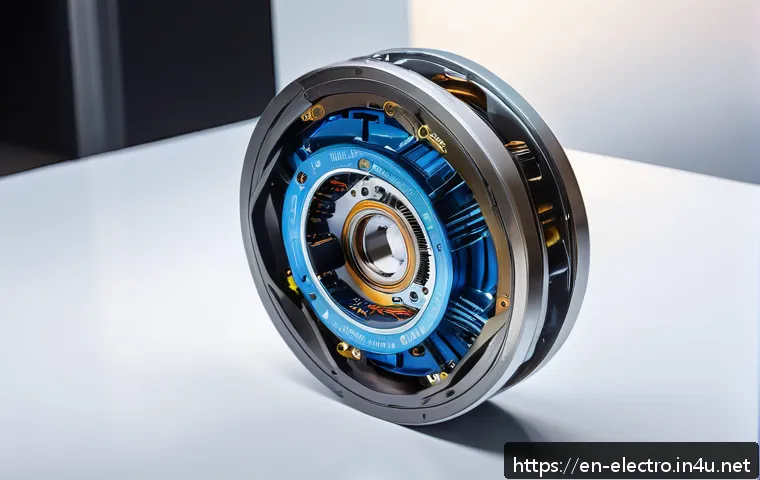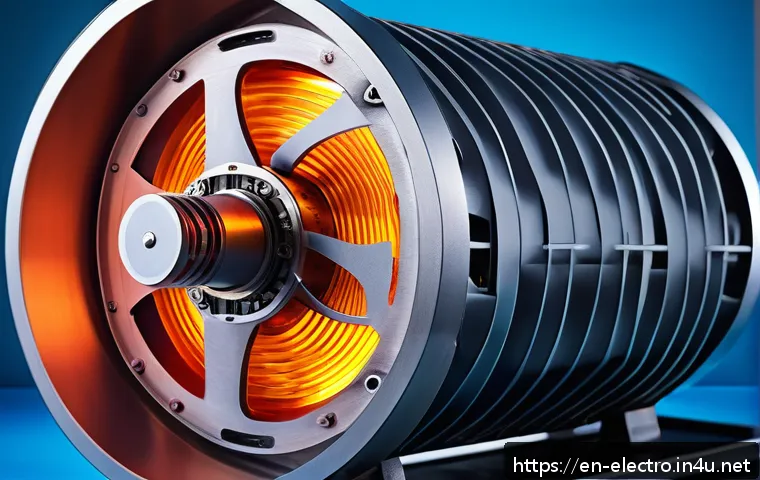
In today’s rapidly evolving world of electrical engineering, managing heat in electrical machines has become more critical than ever. With increasing demands for higher efficiency and longer equipment lifespan, mastering thermal analysis is no longer optional—it’s essential.
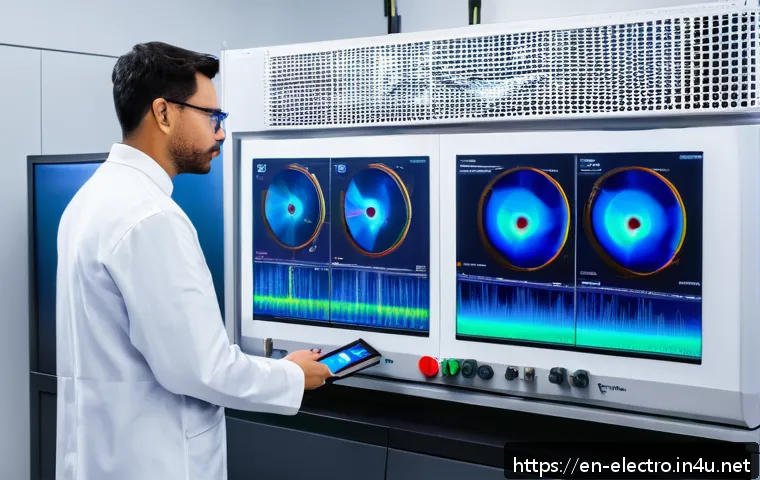
I’ve noticed firsthand how effective thermal management can prevent costly breakdowns and improve performance. Whether you’re an engineer or a tech enthusiast, understanding these techniques can open doors to smarter, more reliable designs.
Let’s dive into the latest methods that are shaping the future of electrical machine efficiency and durability.
Understanding Heat Generation in Electrical Machines
Sources of Heat Within Motors and Generators
When you look inside any electrical machine, heat is generated from a variety of sources. The first culprit is electrical losses, especially copper losses due to current flowing through the windings.
These losses produce resistive heating that’s directly proportional to the square of the current. Then there are iron losses, caused by magnetic hysteresis and eddy currents in the core materials, which ramp up as the machine operates at higher frequencies or loads.
Mechanical friction from bearings and air resistance also contributes to temperature rise, though usually to a lesser extent. I’ve found that identifying which loss dominates for a specific machine is key to targeting effective cooling solutions.
Impact of Operating Conditions on Thermal Stress
Operating conditions dramatically influence how much heat a machine generates and how that heat affects its components. For example, running a motor continuously at high load without adequate cooling quickly pushes temperatures beyond safe limits.
Ambient temperature plays a big role too—machines in hotter environments need more robust thermal management. In my experience, even slight variations in duty cycle or load can cause significant temperature swings that shorten insulation life and increase failure risk.
Thermal stresses also cause material expansion and contraction, which can lead to cracks or mechanical deformation over time.
Thermal Pathways and Heat Dissipation Mechanisms
Heat doesn’t just appear—it has to escape somehow, or the machine will overheat. Understanding the thermal pathways inside an electrical machine helps us design better cooling strategies.
Heat typically transfers from the winding conductors to the stator core, then to the housing, and finally into the surrounding air or cooling medium. This happens through conduction, convection, and sometimes radiation.
I’ve noticed that improving the thermal conductivity of insulation and enhancing airflow around the machine casing can drastically lower internal temperatures.
In some cases, forced air or liquid cooling is employed to accelerate heat removal, especially in high-power applications.
Modern Techniques for Thermal Analysis and Simulation
Finite Element Analysis (FEA) in Thermal Modeling
Finite Element Analysis has become the gold standard for predicting temperature distributions inside electrical machines. By breaking down the machine geometry into small elements, FEA simulates how heat flows and accumulates under different operating scenarios.
What I appreciate about FEA is its ability to incorporate complex materials and boundary conditions, giving a realistic picture of hotspots and thermal gradients.
This insight allows engineers to tweak designs before building prototypes, saving both time and money. Although setting up FEA models takes some effort, the payoff in accuracy is well worth it.
Computational Fluid Dynamics (CFD) for Cooling Design
To tackle cooling challenges, CFD tools simulate the airflow or coolant flow around and inside machines. I’ve seen how CFD helps optimize fan placement, duct shapes, and liquid cooling channels to maximize heat transfer efficiency.
The software visualizes flow patterns and temperature fields, revealing areas where air might stagnate or where coolant velocity is insufficient. This kind of data is invaluable when designing compact machines that must dissipate large heat loads.
It’s also a great way to experiment with novel cooling concepts like jet impingement or phase-change materials.
Experimental Thermal Testing and Validation
No thermal analysis is complete without real-world validation. I’ve learned that carefully instrumenting machines with thermocouples and infrared cameras during operation provides critical data to verify simulation results.
Such testing helps catch unexpected heat sources or insulation weaknesses that models might miss. Performing accelerated thermal aging tests on components also gives clues about long-term reliability.
Combining experimental and simulation approaches creates a robust understanding of thermal behavior, ensuring designs stand up to real operating conditions.
Innovations in Thermal Management Materials
Advanced Insulation Systems for Better Heat Resistance
One of the biggest breakthroughs recently has been in insulation materials that withstand higher temperatures while maintaining electrical integrity. Materials like mica-based tapes, ceramic coatings, and thermally conductive polymers allow machines to operate safely at elevated temperatures.
From my hands-on experience, upgrading insulation can increase machine lifespan significantly because it reduces the risk of breakdown caused by thermal degradation.
Plus, these materials often have improved mechanical strength, helping them survive vibration and mechanical stress.
Heat Conductive Composites and Fillers
Integrating thermally conductive fillers into epoxy resins or varnishes is another clever way to boost heat transfer away from hot spots. These composites reduce thermal resistance between windings and the stator core, enhancing overall cooling.
I’ve worked with materials containing aluminum nitride or boron nitride fillers, which are particularly effective. The challenge is balancing thermal conductivity with electrical insulation properties, but recent advances have made these composites more accessible and reliable for industrial use.
Phase Change Materials (PCMs) in Thermal Regulation
Phase Change Materials absorb and release heat during melting and solidification, helping to regulate temperature spikes. Embedding PCMs in machine housings or around critical components smooths out temperature fluctuations during transient loads.
I’ve seen prototypes where PCMs extend operating windows and prevent overheating during short bursts of high power. While still emerging, this technology holds promise for applications where passive thermal management is preferred or where active cooling is limited.
Design Strategies to Minimize Thermal Impact
Optimizing Geometry for Heat Dissipation
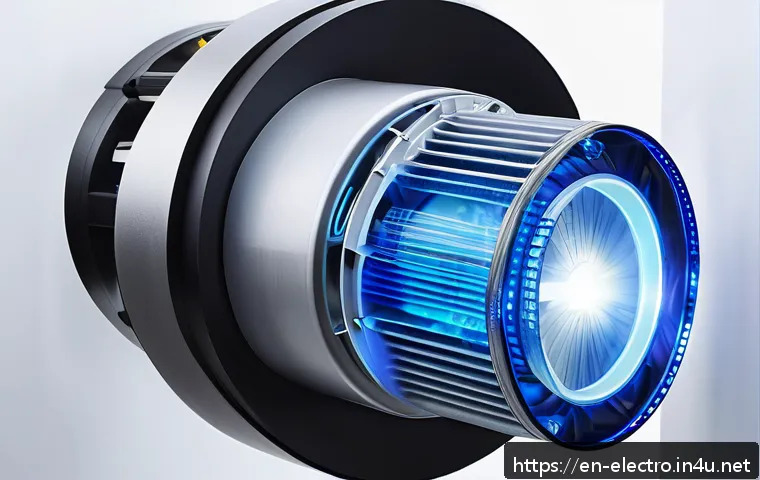
The physical layout of windings, slots, and cooling ducts can make or break thermal performance. Designing stators and rotors with adequate spacing improves airflow and reduces thermal bottlenecks.
From what I’ve observed, using distributed winding patterns helps spread heat generation more evenly, preventing localized hotspots. Additionally, incorporating fins or heat sinks into the housing increases surface area for heat rejection.
This kind of thoughtful mechanical design often complements electrical improvements for a balanced approach.
Integrating Active Cooling Systems
Active cooling methods, such as forced air fans, liquid cooling loops, or even refrigeration units, are essential in high-performance machines. Choosing the right cooling medium and flow rate depends on the machine’s power density and operating environment.
I’ve worked on projects where switching from natural convection to water cooling cut winding temperatures by over 30%, dramatically improving efficiency and reliability.
However, active cooling adds complexity and cost, so it’s important to weigh benefits against maintenance and energy consumption.
Smart Thermal Monitoring and Control
Embedding sensors and using intelligent control algorithms is becoming standard practice. Real-time temperature monitoring allows machines to adjust loads or cooling parameters dynamically, preventing thermal overload.
In my experience, integrating thermal feedback into motor controllers extends equipment life by avoiding dangerous operating conditions. Predictive maintenance based on thermal data also reduces downtime and repair costs.
The future lies in connected machines that manage their own thermal health autonomously.
Thermal Challenges in Emerging Electrical Machine Technologies
High-Speed and High-Power Density Machines
As electrical machines push toward higher speeds and power densities, managing heat becomes more difficult. Faster rotation increases friction losses and centrifugal forces, which complicate cooling system design.
In direct experience, these machines often require novel cooling architectures, such as embedded microchannels or spray cooling, to maintain safe temperatures.
Material selection also becomes critical as thermal stresses intensify. Meeting these challenges is essential for applications like electric vehicles and aerospace propulsion.
Wide Bandgap Semiconductors and Thermal Implications
The rise of wide bandgap devices like SiC and GaN transistors improves efficiency but also changes thermal profiles. These semiconductors operate at higher temperatures, demanding better thermal interfaces and cooling solutions.
From my involvement with power electronics, I’ve seen that thermal management shifts from the motor alone to include the inverter and control electronics, creating a holistic thermal design challenge.
Proper heat sinking and thermal coupling are critical to prevent failure in these advanced systems.
Integration with Renewable Energy Systems
Electrical machines used in wind turbines and solar trackers face unique thermal environments with fluctuating loads and ambient conditions. Managing heat in these variable settings requires adaptive cooling and robust insulation strategies.
Based on projects I’ve observed, designing for extreme weather and ensuring reliable thermal performance over long periods are top priorities. This often means combining passive and active cooling methods with continuous condition monitoring to maximize uptime and efficiency.
Comparing Thermal Management Techniques
| Technique | Key Benefits | Challenges | Typical Applications |
|---|---|---|---|
| Natural Convection Cooling | Simple, low cost, no moving parts | Limited cooling capacity, dependent on ambient conditions | Small motors, low power applications |
| Forced Air Cooling | Improved heat removal, adaptable | Requires fans, noise, energy consumption | Medium power motors, industrial machinery |
| Liquid Cooling | High cooling efficiency, compact design | Complex plumbing, potential leaks, maintenance | High power density, electric vehicles, aerospace |
| Phase Change Materials (PCM) | Passive temperature regulation, smooths spikes | Limited capacity, material cost, integration complexity | Transient load machines, backup cooling |
| Advanced Insulation Materials | Higher temperature tolerance, longer lifespan | Cost, manufacturing complexity | High temperature motors, harsh environments |
In Conclusion
Effective thermal management is crucial for the performance and longevity of electrical machines. Understanding heat sources, operating conditions, and cooling techniques allows engineers to design more reliable and efficient systems. By combining advanced materials, smart monitoring, and simulation tools, we can tackle today’s thermal challenges head-on. Continuous innovation will ensure these machines meet the demands of modern applications while maintaining safe operating temperatures.
Useful Information to Remember
1. Electrical and mechanical losses are the primary sources of heat generation in motors and generators, and identifying the dominant loss helps target cooling solutions.
2. Operating conditions such as load, duty cycle, and ambient temperature greatly affect thermal stress and machine lifespan.
3. Heat dissipation relies on conduction, convection, and sometimes radiation; improving insulation and airflow can significantly reduce internal temperatures.
4. Simulation methods like Finite Element Analysis and Computational Fluid Dynamics provide valuable insights for optimizing thermal design before physical testing.
5. Innovations in insulation materials, heat conductive composites, and phase change materials enhance thermal resistance and temperature regulation.
Key Takeaways
Thermal management in electrical machines demands a holistic approach that balances material properties, cooling methods, and design geometry. Active cooling systems and smart thermal monitoring increase reliability but also add complexity. Emerging technologies and high-performance machines require advanced thermal solutions tailored to specific operational challenges. Prioritizing thermal health not only improves efficiency but also extends the service life of electrical equipment in demanding environments.
Frequently Asked Questions (FAQ) 📖
Q: uestions about Thermal Management in Electrical MachinesQ1: Why is thermal management so crucial in electrical machines?
A: Thermal management is vital because excessive heat can degrade the insulation, reduce efficiency, and ultimately cause premature failure of electrical machines.
From my experience, machines that run hotter than their design limits tend to have shorter lifespans and more frequent maintenance issues. Proper heat dissipation ensures stable performance, extends equipment life, and reduces downtime, which is especially important in high-demand industrial applications.
Q: What are some of the latest techniques used for thermal analysis in electrical machines?
A: Recently, advanced simulation tools like Computational Fluid Dynamics (CFD) and Finite Element Analysis (FEA) have become standard for predicting heat flow and identifying hotspots within electrical machines.
In addition, real-time thermal monitoring using embedded sensors provides ongoing data that helps optimize cooling strategies dynamically. I’ve found that combining these digital methods with practical cooling solutions such as improved ventilation, liquid cooling, or heat pipes leads to significant performance gains.
Q: How can improving thermal management impact the overall efficiency and reliability of electrical machines?
A: Improving thermal management directly enhances efficiency by maintaining optimal operating temperatures, which reduces energy losses caused by overheating.
Reliable cooling also prevents unexpected breakdowns, meaning machines can operate continuously without interruptions. From what I’ve seen working on projects, even small improvements in thermal control can translate into noticeable savings on energy costs and maintenance, making the investment in these techniques highly worthwhile.