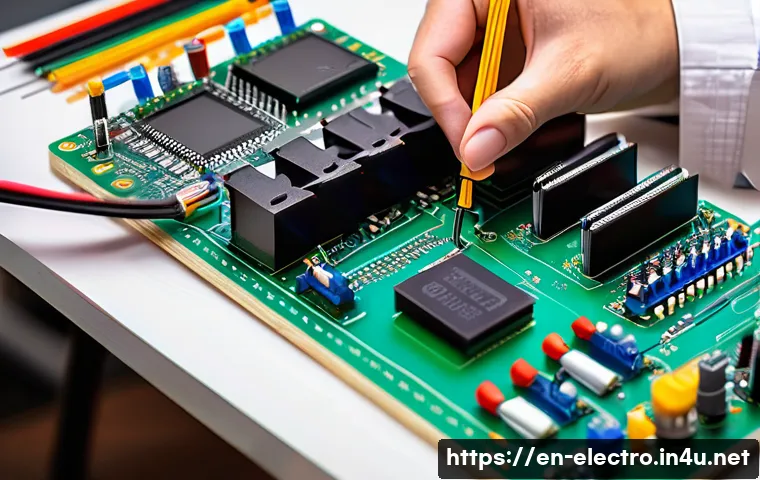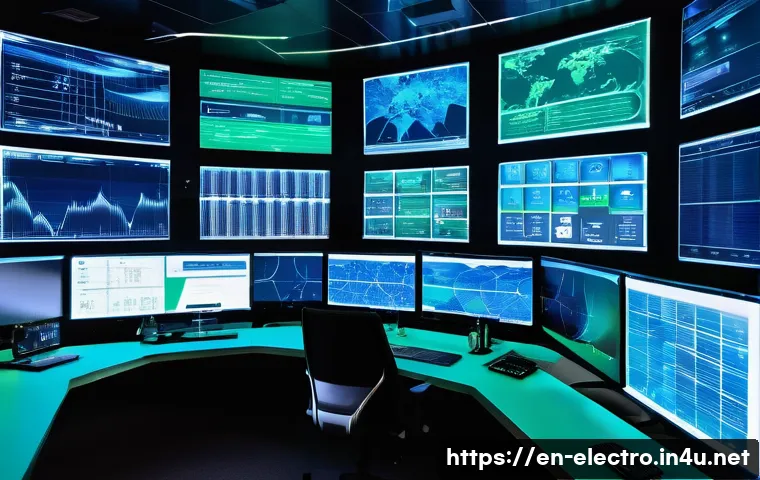
Imagine a power grid that’s not just a one-way street but a smart, interactive network adapting in real-time to energy demands and renewable sources. That’s the promise of smart grid systems—a game-changer in how we manage electricity efficiently, reduce waste, and boost sustainability.
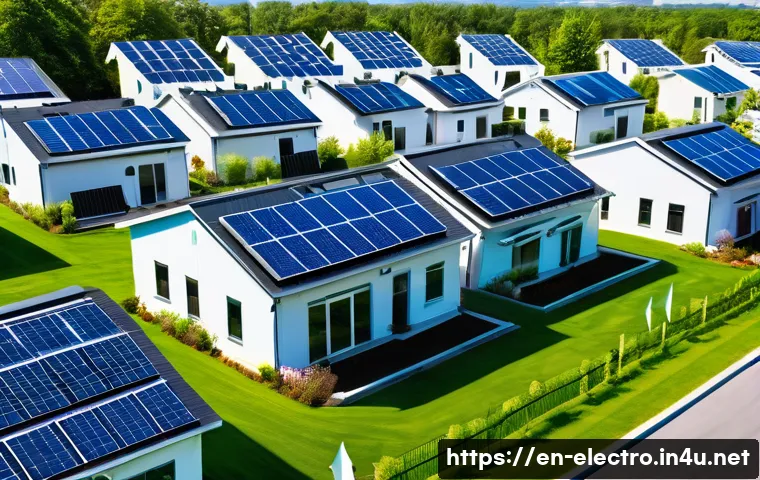
With growing concerns over climate change and rising energy costs, smart grids are becoming essential for a cleaner, more resilient future. From smarter homes to city-wide energy management, these systems are shaping the way we consume and conserve power.
Curious about how this technology works and why it matters? Let’s dive in and explore the details together!
Dynamic Energy Flow and Real-Time Adaptation
How Bidirectional Communication Transforms Power Delivery
In traditional power grids, electricity flows in a single direction—from power plants to consumers—without much feedback or adjustment. Modern grids, however, incorporate advanced sensors and communication technologies that enable a two-way flow of information and electricity.
This means not only does power get delivered to homes and businesses, but these endpoints can also send data back to the grid. This real-time dialogue allows the system to detect fluctuations in demand or supply immediately, triggering automatic adjustments to balance the load.
For example, if a neighborhood suddenly cranks up air conditioning on a hot day, the grid quickly recognizes the surge and activates backup energy sources or asks connected devices to reduce consumption.
This responsiveness reduces outages and improves overall reliability.
Integrating Renewable Sources Seamlessly
Renewable energy sources like solar panels and wind turbines introduce variability because their output depends on weather and time of day. The smart grid’s ability to monitor these fluctuations continuously is a game-changer.
By using predictive analytics combined with real-time data, the system anticipates dips or spikes in renewable generation and compensates accordingly.
For instance, when a cloud covers a solar farm, the grid instantly ramps up power from other sources or taps into energy storage systems like batteries.
This seamless integration ensures that renewables can be a dependable part of the energy mix, reducing reliance on fossil fuels without sacrificing stability.
Consumer Empowerment Through Smart Technology
Smart Meters and Personalized Energy Insights
One of the most tangible benefits of these advanced grids is the smart meter installed at consumer premises. Unlike traditional meters that only measure total usage, smart meters provide detailed, near-real-time data on energy consumption patterns.
Users can access this information through mobile apps or web portals, offering a window into when and how they use electricity. This level of transparency empowers households and businesses to make informed decisions, such as shifting energy-intensive activities to off-peak times when electricity is cheaper and cleaner.
From personal experience, I found that simply monitoring my usage on a daily basis motivated me to switch off idle devices and tweak my routines, leading to noticeable savings on my electricity bill.
Demand Response and Incentive Programs
Smart grids also enable utilities to implement demand response programs, which incentivize consumers to reduce or shift their power use during peak periods.
These programs often offer financial rewards or discounted rates to participants who adjust their consumption in response to signals from the grid. For example, a smart thermostat might automatically lower the temperature during a demand spike, helping stabilize the grid while saving the user money.
The win-win nature of these programs promotes a more flexible and efficient energy ecosystem, where consumers are active partners rather than passive users.
Advanced Grid Security and Resilience
Protecting Against Cyber Threats
As grids become more interconnected and reliant on digital infrastructure, cybersecurity takes center stage. Smart grids employ multiple layers of protection, including encryption, intrusion detection systems, and continuous monitoring to safeguard sensitive data and prevent unauthorized access.
Utilities invest heavily in these measures because a breach could disrupt power delivery or compromise user privacy. From what I’ve learned through industry reports and conversations with energy experts, the evolving landscape of cyber threats means grid operators must remain vigilant and agile, updating defenses regularly to counteract new vulnerabilities.
Self-Healing Capabilities and Fault Detection
Another resilience feature is the grid’s ability to detect faults and isolate problem areas automatically. When an issue arises—like a downed power line or equipment failure—the system quickly reroutes electricity through alternate pathways, minimizing the impact on customers.
This self-healing capacity drastically reduces outage durations and prevents cascading failures. In practice, communities served by smart grids experience fewer blackouts and recover faster when problems do occur, enhancing overall trust and satisfaction.
Energy Storage and Load Balancing Technologies
The Role of Battery Systems in Grid Stability
Energy storage is a cornerstone of smart grid effectiveness, especially in managing the intermittent nature of renewables. Large-scale battery installations store excess energy generated during low demand or peak renewable production periods.
When demand rises or renewable output wanes, these batteries discharge stored power to smooth out supply. Personally, I’ve seen how local utilities are deploying community battery projects that not only stabilize the grid but also offer backup power during emergencies.
This technology is becoming more affordable and scalable, making it a vital tool for future energy systems.
Advanced Load Management Techniques
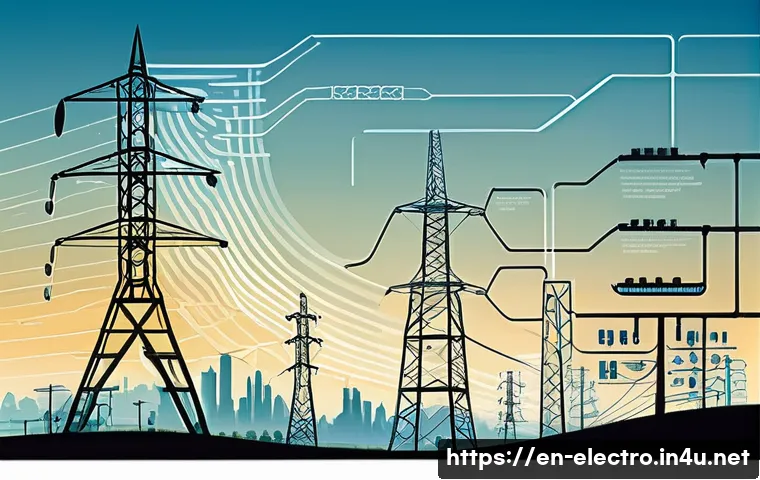
Beyond storage, smart grids use sophisticated load management algorithms to optimize energy distribution. These techniques involve analyzing consumption data, weather forecasts, and grid conditions to predict demand patterns.
With this insight, utilities can schedule power delivery more efficiently, reduce peak loads, and avoid overloading infrastructure. This proactive approach not only cuts costs but also extends the lifespan of grid components, translating into long-term savings for both providers and consumers.
Environmental and Economic Benefits of Modernized Grids
Reducing Carbon Footprint Through Efficiency
By optimizing energy flows and maximizing renewable integration, smart grids play a crucial role in lowering greenhouse gas emissions. Less wasted electricity means fewer fossil fuel plants need to run at full capacity, which directly cuts pollution.
Moreover, enabling consumers to participate in energy-saving programs amplifies these environmental gains. From a broader perspective, transitioning to smart grids aligns with global climate goals and supports sustainable urban development.
Driving Cost Savings and New Market Opportunities
The economic advantages are equally compelling. Utilities can operate more efficiently, reducing operational expenses and deferring costly infrastructure upgrades.
Consumers benefit from lower bills and new services tailored to their needs. Additionally, smart grids open up markets for innovative technologies like electric vehicles, home energy management systems, and distributed generation.
This creates jobs and stimulates investment in clean energy sectors, fueling economic growth while fostering a greener future.
Key Components and Technologies in Modern Energy Networks
Overview of Essential Elements
A well-functioning modern energy network combines several cutting-edge components that work in harmony. These include smart meters, sensors, communication networks, energy storage, and control software.
Each plays a specific role—from collecting data to executing automated decisions—ensuring the grid operates efficiently and reliably. Understanding these building blocks helps appreciate the complexity and sophistication behind what seems like a simple flick of a switch.
Comparing Technologies and Their Functions
To clarify how these components interact, here’s a summary table highlighting some major technologies and their primary functions:
| Technology | Function | Benefits |
|---|---|---|
| Smart Meters | Measure and report real-time energy usage | Enhances consumer awareness, enables dynamic pricing |
| Advanced Sensors | Monitor grid conditions and detect faults | Improves reliability, supports self-healing |
| Energy Storage Systems | Store excess energy and supply it when needed | Balances load, integrates renewables |
| Communication Networks | Transmit data between grid components | Enables real-time control and automation |
| Demand Response Software | Manages consumer load adjustments during peak times | Reduces peak demand, lowers costs |
Conclusion
Modern energy grids are revolutionizing how power is delivered, making systems smarter, more efficient, and responsive. The integration of advanced technologies empowers consumers and enhances grid reliability. By embracing these innovations, we move closer to a sustainable, resilient energy future that benefits both the environment and the economy.
Useful Information to Keep in Mind
1. Smart meters provide real-time energy usage data, helping consumers make smarter choices to reduce costs and waste.
2. Demand response programs encourage users to adjust consumption during peak times, offering financial incentives and supporting grid stability.
3. Energy storage systems like batteries play a critical role in balancing supply, especially when renewable sources fluctuate.
4. Cybersecurity is essential for protecting smart grids from attacks that could disrupt service or compromise data privacy.
5. Advanced sensors and self-healing technology minimize outages by quickly detecting and isolating faults within the grid.
Key Takeaways
Smart grids transform traditional power systems through two-way communication, enabling real-time adjustments that improve efficiency and reliability. They seamlessly integrate renewable energy, support consumer empowerment via detailed usage insights, and incorporate robust security measures. Energy storage and intelligent load management further enhance grid stability while reducing environmental impact. These advancements create economic opportunities and pave the way for a cleaner, more flexible energy landscape.
Frequently Asked Questions (FAQ) 📖
Q: What exactly is a smart grid, and how does it differ from the traditional power grid?
A: A smart grid is an advanced electricity network that uses digital communication technology to monitor and manage the flow of electricity in real-time.
Unlike traditional grids, which operate on a one-way flow—sending power from plants to consumers—smart grids enable two-way communication between the utility and consumers.
This allows for better integration of renewable energy sources like solar and wind, faster response to outages, and more efficient energy distribution.
Essentially, it’s a dynamic system that adapts to energy demands instantly, reducing waste and improving reliability.
Q: How do smart grids help in reducing energy costs and promoting sustainability?
A: Smart grids help cut energy costs by optimizing electricity use when demand is lower, such as during off-peak hours, and by allowing consumers to participate actively in managing their energy consumption.
For example, smart meters provide real-time data that empowers homeowners to shift heavy appliance use to cheaper, greener times of the day. Moreover, smart grids facilitate the integration of renewable energy, which reduces dependence on fossil fuels and lowers carbon emissions.
From my experience, households using smart grid-enabled systems have noticed not only a drop in their monthly bills but also a sense of contributing to a cleaner environment.
Q: Are smart grids secure, and what measures are in place to protect user data and the grid itself?
A: Security is a top priority for smart grid systems because they rely heavily on digital communication and data exchange. Utilities implement multiple layers of cybersecurity, including encryption, intrusion detection, and continuous monitoring, to protect against hacking and cyber threats.
Additionally, user data collected through smart meters is anonymized and safeguarded to respect privacy. While no system is 100% immune, the industry is continuously improving security protocols.
From what I’ve seen, utilities are very proactive in addressing vulnerabilities to ensure the grid remains safe and reliable for everyone.