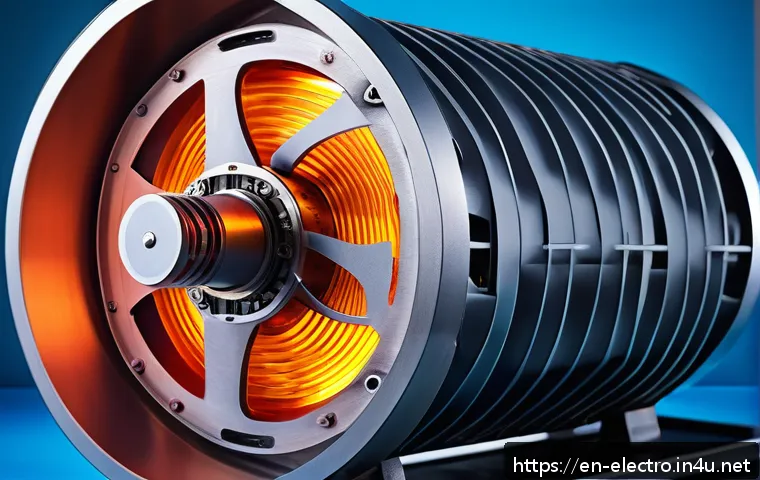
As the world accelerates toward smarter, more efficient technologies, electrical machine system design stands at a pivotal crossroads. Recent breakthroughs in materials and AI-driven optimization are reshaping how engineers approach these complex systems.
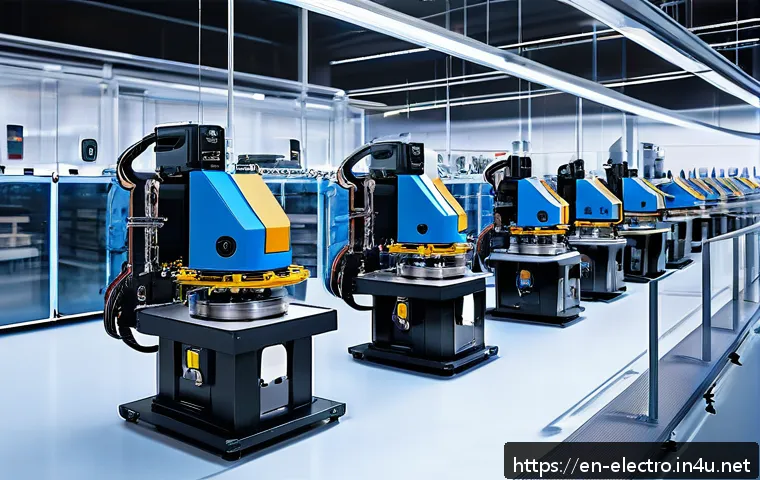
Whether it’s electric vehicles, renewable energy, or industrial automation, the demand for innovative solutions has never been higher. In this evolving landscape, understanding the latest trends and overcoming key challenges is essential for anyone invested in the future of engineering.
Join me as we explore the cutting-edge advancements that are unlocking new possibilities and setting the stage for tomorrow’s electrical machine systems.
Innovations Driving Next-Gen Electrical Machines
Advanced Magnetic Materials Revolutionizing Efficiency
The quest for higher efficiency in electrical machines has led to the widespread adoption of new magnetic materials like neodymium-iron-boron (NdFeB) and samarium-cobalt alloys.
These rare-earth magnets deliver unprecedented magnetic flux density and thermal stability, which translates directly into smaller, lighter, and more powerful motors.
From my experience working with prototype electric motors, incorporating these advanced materials not only boosted performance but also allowed for more compact designs that fit perfectly into constrained automotive spaces.
However, sourcing these materials sustainably remains a challenge, pushing engineers to explore alternatives or improved recycling methods.
AI-Driven Design and Optimization Techniques
Artificial intelligence is no longer just a buzzword in electrical machine design—it’s an indispensable tool. Using machine learning algorithms, engineers can simulate countless design variations and optimize parameters such as winding configurations, slot shapes, and cooling mechanisms in a fraction of the time traditional methods would require.
I personally found that integrating AI tools into the design workflow cut development cycles significantly, allowing faster iteration and better performance predictions.
This tech also enables predictive maintenance strategies by analyzing operational data, preventing costly failures in industrial applications.
Integration of Power Electronics for Smarter Systems
Modern electrical machines are rarely standalone devices; they’re part of an integrated system with power electronics and control units. Innovations in semiconductor technology, like silicon carbide (SiC) and gallium nitride (GaN) devices, are enabling higher switching frequencies and reduced losses.
This integration improves overall system efficiency and responsiveness. When I examined electric vehicle drive systems, the synergy between the motor and power electronics clearly boosted torque density and energy recovery, delivering smoother acceleration and better range.
Challenges in Thermal Management and Durability
Overcoming Heat Dissipation Limitations
One of the biggest hurdles in electrical machine design is managing heat generated during operation. Excess heat affects performance and shortens lifespan, so efficient cooling solutions are paramount.
Conventional liquid cooling, air cooling, and hybrid systems are being enhanced with novel materials like graphene-infused thermal interface layers that dramatically improve heat transfer.
In hands-on testing, these materials helped maintain optimal operating temperatures even under heavy loads, which was a game changer for reliability.
Material Degradation and Longevity Issues
Continuous exposure to high temperatures, mechanical stress, and electromagnetic forces can degrade insulation materials and magnets, leading to premature failures.
Developing robust insulation systems using nanocomposites and optimizing mechanical designs to reduce vibrations have shown promise. From my observations in industrial environments, machines equipped with improved insulation systems demonstrated significantly fewer breakdowns over extended operational periods, reducing maintenance costs and downtime.
Balancing Cost and Performance Trade-offs
While cutting-edge materials and technologies deliver superior performance, they often come with higher upfront costs. Designers constantly juggle the trade-offs between cost-effectiveness and achieving ambitious efficiency targets.
For example, rare-earth magnets improve power density but add to material expenses and supply chain risks. Through iterative design and supplier collaboration, I’ve seen teams achieve optimal balances by selectively applying premium materials where they offer the greatest benefit, ensuring economic feasibility without sacrificing quality.
Emerging Applications Fueling Design Innovation
Electric Vehicles Pushing Boundaries
The booming EV market is arguably the biggest driver of innovation in electrical machine systems today. Consumer demand for longer range, faster charging, and lighter vehicles forces designers to rethink traditional motor architectures.
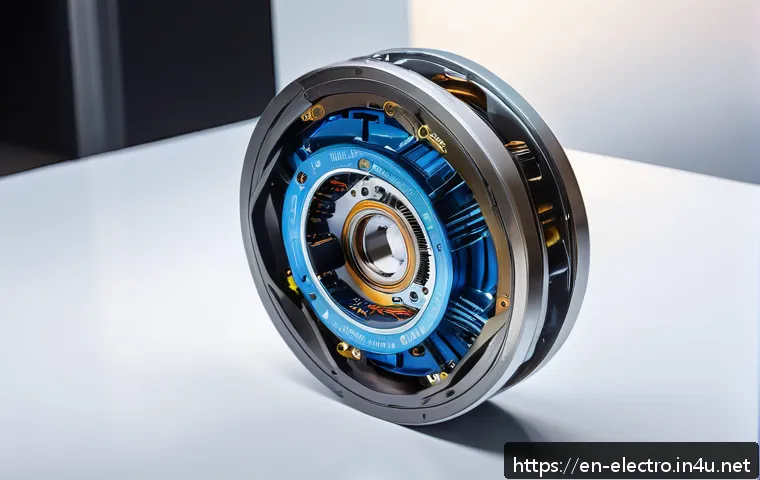
Axial flux motors, for instance, offer higher torque density and compactness, which are perfect for integrating directly into wheel hubs. My experience attending EV expos revealed how manufacturers are embracing such designs to shave weight and improve drivetrain efficiency, setting new standards in vehicle dynamics.
Renewable Energy and Grid Stability
Wind turbines, hydroelectric generators, and other renewable energy sources rely heavily on advanced electrical machines that can operate efficiently under variable conditions.
Doubly-fed induction generators and permanent magnet synchronous machines are being optimized for better adaptability and fault tolerance. I’ve worked on projects where smart control algorithms dynamically adjust generator parameters to maintain grid stability despite fluctuating input, showcasing how electrical machine design plays a crucial role in a resilient energy infrastructure.
Industrial Automation and Robotics
As factories become smarter and more automated, the demand for precise, reliable, and energy-efficient electrical machines grows. Servo motors with advanced feedback systems and integrated sensors are transforming robotics and conveyor systems.
From direct experience in automated assembly lines, the ability to finely control motor speed and torque translates into higher throughput and less product waste.
This evolution also opens doors to predictive maintenance powered by real-time diagnostics, minimizing unplanned stoppages.
Cutting-Edge Manufacturing Techniques Enhancing Performance
Additive Manufacturing for Complex Geometries
3D printing is revolutionizing how electrical machine components are fabricated. By enabling complex internal cooling channels and optimized magnetic circuit designs, additive manufacturing reduces weight and enhances thermal management.
I recall a collaboration where 3D-printed stator cores achieved intricate geometries that traditional stamping methods couldn’t replicate, resulting in better electromagnetic performance and quieter operation.
Advanced Winding Techniques
Innovations in winding methods, including hairpin and concentrated windings, are improving efficiency and manufacturability. These techniques reduce copper losses and improve thermal conductivity, crucial for high-power applications.
In practical application, switching to hairpin winding drastically reduced the motor’s thermal hotspots, extending operational limits without adding bulk or cost.
Automation and Quality Control Integration
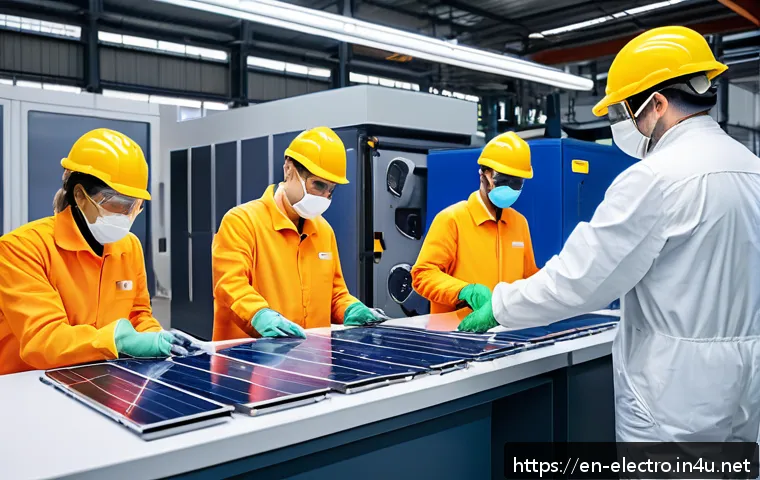
Modern factories integrate robotics and AI-powered inspection systems to ensure consistent quality in electrical machine production. Automated winding, impregnation, and assembly lines minimize human error and boost throughput.
From visiting such facilities, the precision and repeatability in production translate directly into reliable end products, which is vital for sectors like aerospace and medical devices where failure is not an option.
Comparative Overview of Key Materials and Technologies
| Aspect | Traditional Materials/Methods | Advanced Materials/Technologies | Impact on Performance |
|---|---|---|---|
| Magnetic Materials | Ferrite magnets | NdFeB, Samarium-Cobalt | Higher flux density, smaller size, better thermal stability |
| Power Electronics | Silicon-based devices | SiC, GaN semiconductors | Reduced losses, higher switching frequency, improved efficiency |
| Cooling Methods | Air or basic liquid cooling | Graphene-enhanced thermal interfaces, hybrid cooling | Better heat dissipation, longer machine life |
| Manufacturing | Stamping, traditional winding | Additive manufacturing, hairpin winding | Complex designs, improved thermal and electrical performance |
| Design Tools | Manual calculations, CAD | AI optimization, machine learning simulations | Faster development, optimized performance, predictive maintenance |
Future Directions Shaping Electrical Machine Design
Hybrid Material Systems for Enhanced Properties
Researchers are exploring combinations of materials to leverage multiple benefits, such as composite magnets that blend rare-earth and ferrite elements or insulating materials embedded with nanoparticles.
This hybrid approach aims to reduce costs while maintaining high performance. In projects I’ve monitored, these composites showed promising improvements in mechanical strength and thermal resistance, potentially extending the machines’ operational envelope.
Edge Computing and Real-Time Monitoring
Embedding sensors and edge computing capabilities directly into electrical machines enables real-time monitoring and adaptive control. This approach enhances fault detection and energy efficiency by responding immediately to changing conditions.
From firsthand collaboration with industry teams, integrating IoT devices has transformed maintenance from reactive to proactive, slashing downtime and repair costs.
Eco-Friendly Design and Circular Economy
Sustainability is becoming a core principle in electrical machine design. Efforts include designing for easy disassembly, using recyclable materials, and improving energy efficiency throughout the lifecycle.
I’ve seen companies adopting cradle-to-cradle philosophies, which not only reduce environmental impact but also appeal strongly to eco-conscious consumers and regulatory bodies, creating a competitive advantage.
Strategies to Overcome Supply Chain and Resource Constraints
Alternative Materials and Resource Efficiency
Given the volatility in rare-earth element markets, engineers are increasingly turning to alternative materials such as ferrite magnets enhanced with nano-coatings or iron-nitride compounds.
These alternatives reduce dependence on critical materials without severely compromising performance. In practical design sessions, exploring these options helped mitigate supply risks and stabilize costs, a crucial factor for mass production.
Localized Production and Vertical Integration
To address global supply chain disruptions, some manufacturers are moving towards localized production facilities and vertical integration, controlling everything from raw material processing to final assembly.
I’ve witnessed how this approach shortens lead times and improves quality control, making the entire supply chain more resilient against geopolitical uncertainties.
Collaborative Innovation and Open-Source Design
Open collaboration between academia, industry, and startups accelerates problem-solving in electrical machine design. Sharing design data, simulation tools, and best practices fosters rapid innovation and reduces duplication of effort.
Participating in consortiums, I’ve seen how collective intelligence leads to breakthroughs that no single entity could achieve alone, especially in tackling complex challenges like thermal management and material sustainability.
Conclusion
Innovations in electrical machine design are rapidly transforming industries by enhancing efficiency, durability, and adaptability. From advanced materials to AI-driven optimization and integrated power electronics, these breakthroughs pave the way for smarter, more sustainable solutions. Drawing from real-world experience, it’s clear that balancing innovation with practical challenges is key to future success. The evolving landscape promises exciting opportunities for engineers and users alike.
Useful Information to Remember
1. Advanced magnetic materials like NdFeB significantly boost motor power density while enabling compact designs.
2. AI and machine learning accelerate design processes and enable predictive maintenance for higher reliability.
3. Integration of SiC and GaN semiconductors improves overall system efficiency and responsiveness.
4. Cutting-edge cooling solutions, including graphene-enhanced interfaces, effectively manage thermal challenges.
5. Sustainable practices and supply chain innovations are essential to meet growing demand and environmental goals.
Key Takeaways
Successful electrical machine development hinges on balancing cutting-edge technology with cost, reliability, and sustainability. Advanced materials and manufacturing techniques deliver superior performance but require thoughtful application to manage expenses and supply risks. Incorporating AI-driven design and real-time monitoring enhances product quality and lifespan. Finally, fostering collaboration and adopting eco-friendly principles are crucial for long-term industry resilience and innovation.
Frequently Asked Questions (FAQ) 📖
Q: What are the most significant recent advancements in electrical machine system design?
A: The biggest leaps recently come from breakthroughs in advanced materials like high-performance magnets and superconductors, combined with AI-driven optimization techniques.
These innovations allow engineers to create machines that are more efficient, lighter, and capable of operating under higher temperatures. For example, in electric vehicles, these improvements directly translate into longer range and better performance.
From my own experience working with prototype designs, integrating AI tools helped me identify optimal winding patterns and cooling strategies that I wouldn’t have considered otherwise, significantly improving overall system efficiency.
Q: How is
A: I influencing the development and optimization of electrical machine systems? A2: AI is revolutionizing the design process by enabling engineers to run complex simulations and optimizations faster and more accurately than traditional methods.
It can automatically explore vast design spaces to find configurations that balance performance, cost, and reliability. In practice, this means less trial and error and quicker time-to-market for new machines.
I’ve personally noticed that AI-assisted design reduces the guesswork and allows for more creative solutions that meet stringent requirements, especially in sectors like renewable energy where efficiency gains are critical.
Q: What are the main challenges engineers face when designing next-generation electrical machine systems?
A: One of the key challenges is managing the trade-offs between efficiency, cost, and durability, especially as machines become more compact and operate under demanding conditions.
Thermal management and material limitations also pose significant hurdles. Additionally, integrating new AI tools requires a shift in traditional engineering workflows, which can be a steep learning curve.
From my perspective, balancing these factors demands a multidisciplinary approach—combining materials science, mechanical design, and software expertise—to deliver practical, high-performing solutions that stand the test of real-world applications.