Electric machines power much of the modern world, from industrial plants to everyday household appliances. Protecting these vital devices from faults and overloads is crucial to ensure safety, efficiency, and longevity.

Without proper protective equipment, electrical failures can lead to costly downtime or even dangerous hazards. Advances in technology have introduced smarter, more reliable protection systems that adapt to complex electrical environments.
Understanding how these devices work helps us appreciate the unseen guardians of our electrical infrastructure. Let’s dive deeper and explore the fascinating world of electric machine protection in detail!
Fundamentals of Electrical Fault Detection
Understanding Common Fault Types
When it comes to protecting electric machines, the first step is knowing what kinds of faults can occur. The most common types include short circuits, ground faults, and overloads.
A short circuit happens when two conductors accidentally come into contact, causing a surge of current that can severely damage equipment. Ground faults occur when current flows through an unintended path to the ground, posing safety risks and potential fires.
Overloads, on the other hand, are sustained currents above the machine’s rated capacity, which can lead to overheating and insulation failure. Recognizing these faults early is essential because each requires a specific protective approach to prevent catastrophic damage.
How Sensors Detect Electrical Anomalies
Sensors are the unsung heroes in electric machine protection. They continuously monitor parameters such as current, voltage, temperature, and vibration.
Current transformers (CTs) and voltage transformers (VTs) step down high power signals into manageable levels for analysis. Thermal sensors track temperature rises that indicate overloads or failing insulation.
Vibration sensors can detect mechanical imbalances or bearing wear that often precede electrical issues. Together, these sensors feed real-time data into protection relays, enabling swift fault detection before problems escalate.
The Role of Protective Relays
Protective relays act like vigilant gatekeepers, deciding when to isolate faulty parts of the system. Early relays were electromechanical devices relying on magnetic forces, but modern relays are digital and highly configurable.
They analyze input from sensors and apply logical criteria to identify faults. For example, an overcurrent relay triggers when current exceeds a preset threshold, while differential relays compare current entering and leaving a machine to detect internal faults.
These relays are critical for coordinating with circuit breakers to interrupt power flow and safeguard machines.
Advanced Protection Technologies in Modern Systems
Intelligent Electronic Devices (IEDs)
Intelligent Electronic Devices have revolutionized electric machine protection by integrating microprocessors and communication capabilities. These devices offer adaptive protection schemes that adjust settings dynamically based on operating conditions.
IEDs can perform complex fault analysis, record event data, and communicate with control centers via protocols like IEC 61850. In my experience working with industrial systems, IEDs dramatically reduce false trips and downtime, enhancing overall reliability.
Distance and Differential Protection
Distance protection measures impedance to detect faults along transmission lines, quickly isolating problem sections. Differential protection compares current at two or more points of a machine or line, identifying internal faults with precision.
These methods complement each other by covering a wide range of fault scenarios. Implementing these technologies requires careful coordination and settings to avoid nuisance trips, but the payoff is improved system stability and safety.
Integration with SCADA and Automation
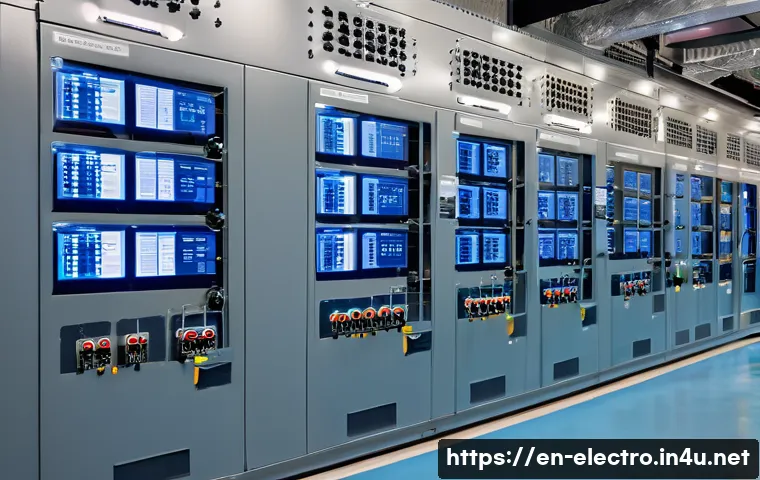
Modern protection systems don’t work in isolation—they are part of a larger automation and control network. Integration with SCADA (Supervisory Control and Data Acquisition) allows operators to monitor machine status remotely and respond swiftly to alarms.
Automation systems can even initiate predefined corrective actions without human intervention. From my hands-on experience, this integration not only speeds up fault response but also provides valuable insights for predictive maintenance and operational optimization.
Designing Protection Schemes for Electric Machines
Selecting Appropriate Protective Devices
Choosing the right protective devices depends on machine type, size, and application. For instance, small motors typically use thermal overload relays, while large generators require multi-function digital relays.
Factors like fault current levels, system configuration, and environmental conditions also influence device selection. I once worked on a project where incorrect relay selection caused frequent nuisance trips, highlighting the importance of thorough engineering evaluation.
Coordination and Selectivity in Protection
Proper coordination ensures that only the device closest to the fault trips, minimizing disruption. This means setting time delays and current thresholds so upstream devices act only if downstream devices fail.
Achieving selectivity involves detailed study of time-current characteristics and system topology. From practical experience, well-coordinated protection schemes significantly reduce downtime and improve safety by isolating faults quickly and accurately.
Testing and Commissioning Practices
After installation, protection devices must be rigorously tested and commissioned. This includes primary injection testing to simulate fault currents, secondary injection to verify relay logic, and functional testing of control circuits.
Testing ensures devices operate as intended under real-world conditions. In one case, thorough commissioning caught wiring errors that could have led to catastrophic failure, emphasizing how critical this step is for reliable protection.
Maintenance Strategies for Reliable Protection
Routine Inspection and Calibration

Regular inspection and calibration are key to keeping protection systems in top shape. Over time, sensors can drift, relays may lose sensitivity, and mechanical parts wear out.
Calibration involves adjusting settings to compensate for these changes and verify accuracy. I’ve found that scheduled maintenance not only prevents unexpected failures but also extends the lifespan of expensive equipment.
Condition Monitoring and Diagnostics
Condition monitoring tools analyze trends in sensor data to detect early signs of degradation. For example, rising temperature or vibration levels can indicate pending faults.
Advanced diagnostic software can predict failures before they occur, enabling proactive maintenance. In my experience, integrating condition monitoring with protection devices creates a powerful safety net that minimizes downtime and repair costs.
Replacing and Upgrading Protective Equipment
As technology advances, older protection devices may become obsolete or less effective. Upgrading to modern digital relays or smart sensors can enhance protection capabilities and offer new features like remote access and data analytics.
However, upgrades must be carefully planned to ensure compatibility and avoid system interruptions. I’ve seen successful upgrade projects that improved fault detection accuracy while simplifying maintenance.
Common Challenges and Solutions in Protection Systems
Dealing with False Trips and Nuisance Alarms
False trips can cause unnecessary outages and erode operator confidence. Causes include transient disturbances, incorrect settings, or faulty sensors.
Troubleshooting involves reviewing event logs, adjusting relay settings, and sometimes installing filters or restraining devices. From my hands-on work, fine-tuning protection parameters based on real operating conditions greatly reduces false alarms.
Handling Complex Electrical Environments
Modern electrical systems often have multiple interconnected machines, distributed generation, and variable loads, complicating protection. Issues like harmonics, inrush currents, and unbalanced loads challenge traditional protection methods.
Advanced algorithms and adaptive relays help manage these complexities by analyzing patterns and adjusting responses accordingly. This adaptive approach has proven invaluable in industrial facilities I’ve supported.
Ensuring Cybersecurity in Protection Devices
With growing connectivity, protection devices face cybersecurity risks that could disrupt operations or cause safety hazards. Implementing strong authentication, encryption, and regular software updates is essential.
Training personnel on cybersecurity best practices is equally important. In recent projects, incorporating cybersecurity into protection system design has become a non-negotiable priority to safeguard critical infrastructure.
Comparative Overview of Key Protection Devices
| Protection Device | Primary Function | Typical Application | Advantages | Limitations |
|---|---|---|---|---|
| Overcurrent Relay | Detects excessive current | Motors, transformers, feeders | Simple, reliable, cost-effective | May not detect all fault types |
| Differential Relay | Detects internal faults by comparing currents | Generators, transformers, busbars | Highly sensitive, selective | Complex setup, costlier |
| Distance Relay | Measures impedance to detect line faults | Transmission lines | Fast, covers long distances | Requires coordination, sensitive to load changes |
| Thermal Overload Relay | Protects against sustained overloads | Small to medium motors | Simple, protects motor windings | Slow response, limited fault coverage |
| Intelligent Electronic Device (IED) | Multi-function protection and control | All types of machines and systems | Adaptive, communication-enabled | Higher cost, requires expertise |
Conclusion
Understanding the fundamentals of electrical fault detection is crucial for maintaining safe and reliable electric machines. From recognizing common faults to implementing advanced protection technologies, each step plays a vital role in preventing damage and downtime. Integrating modern devices with automation further enhances system resilience. With proper design, testing, and maintenance, electrical protection systems can effectively safeguard critical equipment in today’s complex environments.
Useful Information to Keep in Mind
1. Regularly updating and calibrating protection devices ensures they respond accurately to faults and avoid unnecessary trips.
2. Coordinated protection settings minimize system-wide disruptions by isolating only the affected sections.
3. Intelligent Electronic Devices (IEDs) offer adaptive protection and communication features that improve fault management.
4. Integrating protection systems with SCADA enhances real-time monitoring and enables faster fault response.
5. Cybersecurity measures are essential to protect protection devices from unauthorized access and operational risks.
Key Takeaways
Effective electrical fault detection relies on selecting the right protective devices tailored to the equipment and operating conditions. Coordination and selectivity in protection settings are critical to isolating faults precisely and maintaining system stability. Routine testing and condition monitoring help catch issues early, extending equipment life and reducing downtime. Embracing modern technologies like IEDs and automation integration elevates protection capabilities, while addressing cybersecurity safeguards the integrity of the system. Overall, a well-designed and maintained protection scheme is indispensable for safe and efficient electrical operations.
Frequently Asked Questions (FAQ) 📖
Q: What are the most common types of protection devices used for electric machines?
A: The most common protection devices include circuit breakers, fuses, overload relays, and protective relays. Circuit breakers and fuses protect against short circuits and overcurrent by interrupting the electrical flow, while overload relays safeguard motors from overheating due to prolonged excessive current.
Protective relays offer advanced monitoring by detecting abnormal conditions such as phase imbalances, ground faults, or stalled rotors, triggering alarms or shutdowns before damage occurs.
From my experience working with industrial equipment, combining these devices creates a layered defense system that significantly reduces downtime and repair costs.
Q: How do modern protection systems improve the safety and efficiency of electric machines?
A: Modern protection systems leverage digital technology and smart sensors to continuously monitor machine conditions in real-time. Unlike traditional mechanical devices, these systems can analyze multiple parameters simultaneously, such as temperature, vibration, current, and voltage fluctuations.
This adaptive approach allows for early fault detection and predictive maintenance, preventing failures before they escalate. For example, in a manufacturing plant I visited, the implementation of a smart protection relay reduced unexpected motor failures by 30%, improving both safety and operational efficiency.
Plus, the ability to remotely access and adjust settings saves valuable time for maintenance teams.
Q: Why is it important to protect electric machines from faults and overloads?
A: Protecting electric machines is critical because faults and overloads can cause severe damage, leading to costly repairs, extended downtime, and safety hazards like fires or electrical shocks.
Without proper protection, a minor issue can escalate quickly, jeopardizing the entire electrical system and connected equipment. From personal experience, I’ve seen how a single motor overload without adequate protection caused a production halt for hours, costing thousands of dollars.
Proper protection not only extends the machine’s lifespan but also ensures reliable operation and safeguards personnel working around these powerful devices.