Electrical equipment includes power distribution, protection, control, wiring, and backup devices. Learn the main categories, what each does, when replacement may be worth considering, and when to hire a licensed electrician.
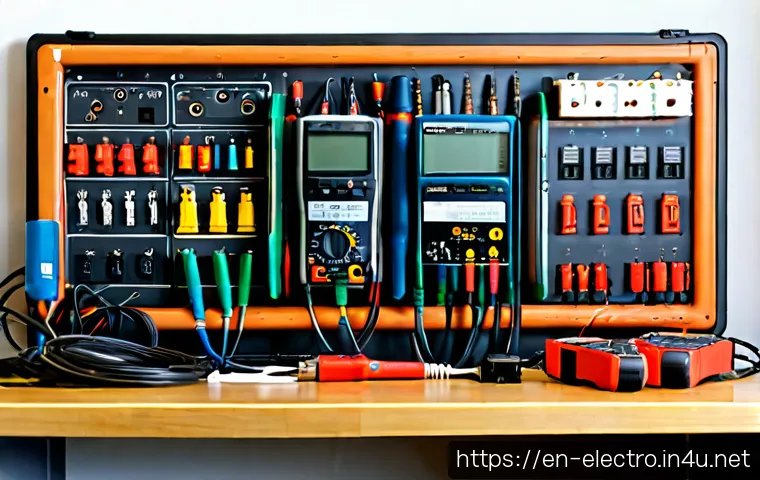
Electrical equipment is easiest to understand by its job: it supplies, distributes, protects, controls, uses, or monitors electrical power. For most homes and small businesses, the key categories are the electrical panel, circuit breakers, GFCI/RCD protection, surge protection, wiring accessories, and backup power equipment. A plug-in accessory can be a sensible purchase for a simple need, but fixed wiring, service panels, and circuit protection usually require a more careful compatibility check. Compare voltage, load rating, regional standards, certification, and warranty terms before choosing a product. If the work involves a panel, breaker, or permanent wiring, a qualified or licensed electrician may be the safer choice. Local installation rules can vary by building type, electrical system, and location.
At a Glance
- Electrical panels distribute incoming power to branch circuits through breakers or fuses.
- Breakers, GFCIs/RCDs, and surge protective devices serve different safety and protection roles.
- Plug-in products may suit simple needs, while fixed electrical work may require a qualified or licensed electrician.
| Equipment Type | Main Purpose | Common Location | Key Buyer Check | Professional Installation? |
|---|---|---|---|---|
| Electrical panel | Distributes power to branch circuits | Home, apartment building, workshop, business space | Compatibility with the existing electrical system | Often appropriate for qualified electrical work |
| Circuit breaker | Interrupts a circuit during overloads or certain faults | Inside a panel | Correct rating and panel compatibility | Usually not a casual DIY replacement |
| GFCI/RCD protection | Helps reduce shock risk in suitable applications | Wet areas, outdoor locations, selected circuits | Regional requirements and intended location | Depends on the device and installation type |
| Surge protective device | Helps limit damage from transient voltage surges | At an outlet or electrical system location | Certification, instructions, and coverage details | Panel-based units may require professional installation |
| Backup power equipment | Provides temporary power or power support | Home office, shop, small business | Voltage, load, connection method, and use environment | Fixed connections may require an electrician |
What Electrical Equipment Means in Everyday Use
The Quick Distinction Between Devices, Tools, and Fixed Installation Equipment
Electrical equipment is a broad term. A plug-in lamp, a power strip, and a battery backup unit are all electrical devices, but they are not the same as an electrical panel, fixed wiring, or a circuit breaker installed inside a panel. Hand tools used by electricians are also different from the equipment that carries or controls electrical power.
This distinction matters when shopping. A plug-in product may be selected by checking its intended use, plug type, and load rating. Fixed installation equipment needs a deeper review because it must work with the existing system and local electrical requirements.
The Six Main Roles: Supply, Distribution, Protection, Control, Use, and Monitoring
Electrical equipment can be grouped by what it does. It may supply power, distribute it to circuits, protect people or equipment, control loads, use electricity, or monitor electrical operation. A building can contain several categories at once: a panel distributes power, breakers protect circuits, switches control lights, outlets provide access to power, and monitoring equipment helps track a system.
Main Categories of Electrical Equipment at a Glance
Power Supply and Distribution Equipment
The electrical panel is one of the most important distribution components in a property. It routes incoming power to branch circuits through breakers or fuses. Distribution equipment is not a simple “upgrade by appearance” purchase; the correct choice depends on the existing voltage, phase, load needs, building type, and local rules.
If you are considering panel replacement or expansion, it is sensible to request a local electrician quote after the current system has been assessed. Do not assume a panel, breaker, or accessory is compatible simply because it looks similar.
Circuit Protection and Electrical Safety Devices
Circuit breakers are designed to interrupt a circuit during overloads or certain fault conditions. GFCIs or RCDs, depending on the region, are intended to help reduce shock risk in suitable applications. Surge protective devices can help limit damage from transient voltage surges, but they do not guarantee protection from every electrical event.
These products solve different problems. A surge protector does not replace a breaker, and a breaker does not automatically provide the same kind of shock-risk protection as a suitable GFCI/RCD device.
Control and Switching Equipment
Switches, contactors, relays, and timers are used to control circuits and electrical loads. A simple wall switch is familiar household equipment. Contactors and relays are more often found where a larger load or an automated control function is involved, such as a workshop or small-business setting.
When comparing control equipment, check the intended load, voltage, environment, and installation instructions. Choosing a control device based only on its shape or physical fit can create compatibility problems.
Wiring Accessories, Outlets, Plugs, and Connectors
Outlets, plugs, connectors, extension leads, and power strips make electricity accessible where it is needed. They are common consumer purchases, yet they still require attention to regional plug standards, voltage, amperage, and load rating. An accessory that is unsuitable for the connected load or environment should not be treated as a permanent solution.
Backup Power and Power-Quality Equipment
Backup power equipment can support selected devices when regular power is unavailable or unstable. The right option depends on what must be powered, how it connects, and whether the equipment is for portable, temporary, or fixed use. For a home office or small business, compare the equipment’s stated compatibility, operating instructions, certification, and warranty terms before buying.
Compare Equipment by Purpose, Cost Level, and Installation Needs
When a Plug-In Product Is Enough
A plug-in product may be enough when the need is straightforward and the existing outlet is suitable. Examples include selecting a properly rated power strip for an appropriate indoor load, choosing a plug-in surge protector for compatible electronics, or using a timer designed for the intended device and environment.
Even then, read the instructions. A low-cost accessory is not a fix for a repeatedly tripping breaker, damaged outlet, uncertain wiring condition, or a power need that exceeds the circuit’s capacity.
When an Electrician Assessment May Offer Better Value
An electrical inspection or contractor assessment may offer better value when the issue involves the service panel, breaker selection, fixed wiring, outlet replacement, outdoor power, wet-area use, or a new high-load appliance. It can also be useful before installing fixed surge protection or backup power connections.
A qualified or licensed electrician can evaluate details that product listings cannot confirm, including whether the device suits the property’s existing electrical system and local installation requirements.
Safety Checks and Common Buying Mistakes
Matching Voltage, Amperage, Load Rating, and Regional Plug Standards
Before purchasing, compare the product’s stated voltage, amperage, load rating, plug standard, and intended application with the electrical system and device you plan to use. Compatibility must be verified rather than guessed.
Why Breaker Size Should Not Be Chosen Only by Convenience
A breaker is part of a circuit protection system, not merely a switch that stops nuisance trips. Replacing a breaker with a different rating without understanding the circuit, wiring, and connected load can be unsafe. Work inside a service panel should be handled by a qualified or licensed electrician when required.
Avoiding Overloaded Extension Leads and Unsuitable Power Strips
Extension leads and power strips are useful for temporary access to power, but they should not be used to bypass a lack of suitable outlets or an inadequate circuit. Avoid treating a crowded power strip as a substitute for proper electrical distribution. Check the manufacturer’s instructions and the rated use of the product.
Checking Certification, Instructions, Environmental Rating, and Warranty Coverage
For electrical equipment, check certification markings relevant to your region, product instructions, environmental suitability, and warranty coverage. Indoor equipment may not be suitable outdoors, and products intended for dry spaces may not be appropriate for wet areas. A clear product listing should help you compare these details before purchase.
Equipment Choices by Location and Use Case
Typical Needs in Apartments and Houses
Homes commonly use panels, breakers, outlets, switches, plug-in surge protectors, and wiring accessories. Renters should be especially cautious with fixed changes because the property owner, building management, or local rules may control what work is permitted.
Workshop and Garage Considerations
Workshops and garages may require closer attention to load demands, switching equipment, extension leads, and environmental conditions. If the space uses equipment with uncertain electrical requirements, a professional assessment can be more reliable than adding adapters or power strips.
Small-Office and Small-Business Power Protection Needs
Small offices and businesses may use surge protection, backup power equipment, control devices, and dedicated circuits depending on their operations. Before choosing products, identify which equipment is essential, what electrical system is already in place, and whether installation work is fixed or plug-in.
Outdoor, Wet-Area, and Temporary-Power Considerations
Outdoor and wet-area equipment requires extra care because location affects suitable protection and installation requirements. GFCI/RCD protection may be relevant in suitable applications, but the correct arrangement depends on the local system and rules. Temporary power should still use equipment designed for the intended environment.
Selection Criteria and Comparison Summary
Start with these practical checks before browsing products or requesting service:
- Identify the load, location, and existing electrical system.
- Compare compatible voltage, phase, plug type, and load ratings.
- Decide whether the item is a plug-in accessory or fixed electrical infrastructure.
- Check certification, installation instructions, environmental rating, and warranty terms.
- Compare the upfront product price with possible installation, maintenance, and replacement needs.
- For panel, breaker, or wiring work, request a local installation quote from a qualified or licensed electrician.
For products or electrical services you are considering, check the official product page or contractor details for compatibility requirements, installation conditions, and warranty information.
Conclusion
Electrical equipment covers everything from a simple plug and outlet to the panel that distributes power throughout a building. The best choice depends on the role the equipment must perform, the local electrical system, and whether the work is plug-in or permanently installed. Use accessories only within their stated limits, and do not use them to work around a possible wiring or circuit problem. When service panels, breakers, or fixed wiring are involved, professional guidance may be the more appropriate next step.
Useful Information to Keep in Mind
Surge protection, circuit protection, and shock-risk protection are not interchangeable. A surge protective device can help with transient surges, while breakers and GFCI/RCD devices have different functions. Read each product’s intended use rather than relying on a broad “safety” label.
Important Notes
The exact equipment needed for a property cannot be confirmed without knowing the voltage, phase, connected loads, existing wiring, building type, and local requirements. This guide does not determine whether an existing panel, breaker, outlet, or wiring system complies with local rules. Verify compatibility and installation requirements with qualified local help where needed.
Frequently Asked Questions
Q1. What are the most common types of electrical equipment in a home?
A1. Common home equipment includes the electrical panel, circuit breakers or fuses, switches, outlets, plugs, wiring accessories, GFCI/RCD protection in suitable applications, and plug-in surge protection. Some homes may also use backup power or monitoring equipment.
Q2. When should I replace an electrical panel or circuit breaker instead of adding another power strip?
A2. A power strip is not a replacement for suitable circuits, panel capacity, or fixed wiring. If a concern involves repeated breaker trips, the panel, a breaker, an outlet, or permanent wiring, consider an assessment by a qualified or licensed electrician rather than assuming another power strip solves the issue.
Q3. Is a surge protector worth buying, and how do I choose a safe one?
A3. A surge protector can help limit damage from transient voltage surges, but it cannot guarantee protection from every electrical event. Choose one by checking compatibility, intended use, certification relevant to your region, instructions, environmental suitability, and warranty terms.