Choose a clamp meter when you need a fast current check without opening the circuit, and choose a multimeter when low-current or detailed series measurements are required.
For DC monitoring, logging, or specialized testing, a shunt resistor or compatible current probe may be the better fit. The right purchase depends on AC or DC current, expected range, access to the conductor, required accuracy, and the electrical environment.
Safety category, fused inputs, test leads, and calibration support can matter as much as the headline specifications. A lower-cost tool may suit occasional checks, while maintenance records or quality-control work can justify professional test equipment and calibration services.
Compare the full ownership picture before buying, including accessories, replacement leads, batteries, support, and possible downtime.
At a Glance
- Clamp meters measure around one conductor, so the circuit does not need to be disconnected for the measurement.
- Digital multimeters usually measure current in series, which can interrupt a circuit and requires careful input and range selection.
- Shunts and current probes can support monitoring, logging, and specialized AC or DC current-measurement tasks.
| Tool Type | Measurement Method | AC/DC Consideration | Best-Fit Buying Situation | Cost Considerations |
|---|---|---|---|---|
| Clamp meter | Clamps around a single conductor | Conventional current-transformer clamps are generally for AC; Hall-effect designs may measure AC and DC when specified | Fast field diagnostics, motors, panels, and service work | Compare safety rating, jaw design, included leads, accessories, and calibration support |
| Digital multimeter | Connected in series with the circuit | Confirm the meter’s stated current functions and ranges | Low-current checks and detailed circuit troubleshooting | Check fused current inputs, replacement fuses, leads, and stated specifications |
| Shunt resistor | Measures voltage drop across a known resistance | Useful where the measurement setup is designed for the current type and range | Monitoring and installed measurement arrangements | Consider installation, compatible measurement equipment, and verification needs |
| Current probe | Probe-based measurement with compatible instrument | Capability depends on the probe and instrument specifications | Lab, logging, waveform, or specialized diagnostics | Account for instrument compatibility, accessories, and calibration requirements |
Which Tool Makes Sense for Measuring Electrical Current?
The best current meter is the one that matches the circuit, task, and safety requirements. Start with a simple decision: do you need to measure AC, DC, or both; what current range do you expect; and can the circuit safely be opened? These answers usually narrow the choice faster than comparing a long list of extra functions.
Quick Answer: Clamp Meter, Multimeter, Shunt, or Current Probe
A clamp meter is often the practical first choice for quick checks on a single accessible conductor because it can measure current without disconnecting that conductor. A digital multimeter is useful when the job calls for series measurement, particularly for lower-current circuit work, but it must be connected correctly. A shunt is appropriate when current is inferred from the voltage drop across a known resistance. A current probe can be a better match when a compatible instrument, monitoring setup, or specialized measurement method is needed.
Start With Current Type, Expected Range, and Whether the Circuit Can Be Opened
Do not buy based on the product name alone. A conventional current-transformer clamp is generally intended for AC current. If your work includes battery systems, automotive diagnostics, or other DC applications, look specifically for a Hall-effect clamp meter designed to measure DC and AC.
Next, consider access. If opening a circuit would interrupt equipment or slow down troubleshooting, a clamp-based method may be more convenient. If the circuit is low current and detailed series measurement is necessary, a multimeter may be more suitable. The instrument manual, rated limits, and applicable work procedures should guide the final choice.
Three Safety Checks Before Connecting Any Instrument
- Confirm the instrument’s rated limits, function, and selected range before making a connection.
- Check that meter leads are in the correct terminals, especially before attempting current measurement.
- Verify that the safety category and condition of the meter, leads, and accessories fit the electrical environment and work procedure.
Using the wrong meter input or range can damage the meter, blow a fuse, or create a safety hazard. Treat current measurement as a setup task, not simply a dial-setting choice.
Compare Measurement Methods Before You Buy
Current-measurement equipment differs not only in convenience but also in how it affects the circuit. The main comparison should cover measurement method, AC/DC support, range, resolution, safety category, and ownership costs.
Clamp Meters for Fast Field Diagnostics and Higher-Current Circuits
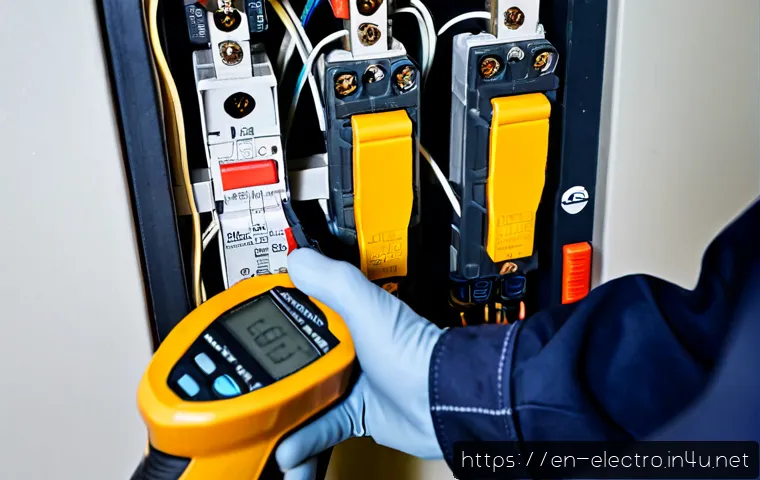
Clamp meters are widely used for field diagnostics because the jaw closes around a single conductor. This avoids disconnecting that conductor during measurement. For maintenance teams, HVAC service, motor checks, and panel work, that workflow can be more practical than inserting a meter into the circuit.
Correct placement matters. Clamping around more than one conductor can produce an incorrect reading because conductor fields can offset each other. Also verify whether the clamp is designed for AC only or for both AC and DC. A DC battery system should not be assumed compatible with an AC-only clamp.
Multimeters for Low-Current and Detailed Circuit Testing
A digital multimeter typically measures current by being placed in series with the circuit. This can interrupt the circuit during testing, which may be acceptable in controlled bench work but less convenient for a fast field check. It can also introduce more setup risk because the leads, input jack, function, and range must be correct.
For electronics work and low-current troubleshooting, a multimeter can offer the detailed measurement approach a clamp meter may not provide. Before purchasing, compare the stated current ranges, input protection, fused inputs, resolution, and the availability of replacement fuses and test leads.
Shunts and Current Probes for Monitoring, Logging, and Specialized Work
A shunt resistor enables current measurement by measuring the voltage drop across a known resistance. This approach can fit installed monitoring arrangements when the system has been designed for it. The suitability of a shunt depends on the application, current range, measurement equipment, and installation requirements.
A current probe may suit lab users or teams that need a compatible instrument for specialized current analysis or data collection. If logging is important, compare the instrument’s stated logging capability, software or interface requirements, memory handling, probe compatibility, and calibration options before placing an order.
Comparison Table: Capability, Limitations, Accessories, and Value
| Decision Factor | Clamp Meter | Multimeter | Shunt / Current Probe |
|---|---|---|---|
| Circuit interruption | Usually avoids disconnecting the clamped conductor | Typically requires a series connection | Depends on the installed or probe-based setup |
| Low-current work | Review stated resolution and specifications carefully | Often considered for detailed series testing | Depends on the selected shunt or probe system |
| DC capability | Requires a model designed for DC measurement | Confirm the stated function and range | Confirm compatibility with the intended system |
| Key accessories | Test leads, carrying protection, batteries | Fused inputs, leads, replacement fuses | Compatible meter or instrument, connection hardware, software where applicable |
| Long-term value | Useful where frequent non-invasive checks are needed | Useful where detailed circuit testing is routine | Useful where logging, monitoring, or specialized work is required |
Accuracy, Safety Category, and Total Cost Considerations
A current meter should be selected for the quality of the measurement as well as the ability to take one. The more the reading affects maintenance records, quality control, commissioning, or compliance processes, the more important the stated specifications, calibration support, and documentation may become.
Resolution and Accuracy: When Higher Specifications Matter
Measurement accuracy can depend on range, resolution, waveform type, conductor placement, temperature, and the instrument’s stated specifications. A tool that is adequate for a quick presence check may not be the right tool for documenting a low-current trend or verifying a sensitive process.
Compare the specifications in the range you expect to use, rather than relying on a single headline accuracy claim. For clamp meters, conductor positioning and the type of waveform can affect results. For all instruments, use the stated operating conditions as part of the buying decision.
CAT Ratings, Fused Inputs, Leads, and Protective Equipment
Electrical safety ratings, including CAT ratings, indicate the environment and transient-energy level an instrument is designed to withstand when used correctly. They are not a substitute for proper procedures, correct meter setup, or suitable protective equipment.
When comparing professional electrical test equipment, inspect the meter category, current input protection, fused inputs where applicable, lead ratings, and accessory condition. Confirm suitability for live electrical work against the equipment manual, rated limits, employer procedures, and applicable safety requirements.
Budget for Batteries, Replacement Leads, Calibration, and Downtime
The purchase price is only one part of total cost of ownership. Batteries, replacement leads, fuses, protective cases, compatible probes, and calibration can all affect the long-term value of a meter. Professional instruments may need periodic calibration when readings support maintenance records, quality processes, or compliance activities.
Before choosing a vendor, ask how calibration is handled, whether documentation is available, and what happens while the instrument is away for service. A less expensive meter may be reasonable for occasional work, while a tool with stronger support can make sense when downtime affects a maintenance team or lab workflow.
Practical Measurement Steps and Common Errors

Accurate current measurement starts with the right method and a deliberate setup. Rushing the connection is a common cause of incorrect readings, damaged fuses, and avoidable safety problems.
How to Use a Clamp Correctly Around One Conductor
For a clamp measurement, place the jaw around one conductor only and ensure the jaw is fully closed. Check the selected current function and confirm whether the meter is intended for the current type being measured. Keep conductor placement and instrument orientation consistent with the manufacturer’s instructions.
If the reading does not fit the situation, do not assume the system is faulty. Recheck that the clamp is not around multiple conductors, that the proper mode is selected, and that the stated range and limitations fit the application.
When Series Measurement Is Appropriate—and When It Is Risky
Series measurement can be appropriate when detailed current measurement is required and the circuit can be opened safely under the applicable procedure. Because a multimeter is inserted into the circuit, the setup can interrupt operation and must be planned carefully.
It becomes risky when leads are placed in the wrong input, the wrong range is selected, or the user treats a current connection like a voltage measurement. Check the meter manual and current-input guidance before connecting anything. If the work environment or circuit conditions are uncertain, follow qualified workplace procedures rather than improvising a test setup.
Common Mistakes That Cause Incorrect Readings or Equipment Damage
- Clamping around multiple conductors instead of a single conductor.
- Using an AC-only clamp for a DC measurement task.
- Ignoring the expected current range or instrument limitations.
- Connecting leads to the wrong meter input for the selected function.
- Assuming a meter’s CAT rating applies without checking leads, accessories, and correct use.
- Using readings for records or quality decisions without considering calibration requirements.
Choosing for HVAC, Automotive, Electronics, Batteries, and Industrial Work
Job type changes the ideal tool. Instead of looking for one “best” meter, match the measurement method to the equipment you actually service.
Service Work on Motors, Panels, and HVAC Equipment
For routine HVAC service, motor checks, and panel diagnostics, a clamp meter can be an efficient option where a single conductor is accessible and a non-disconnecting measurement is preferred. Compare AC/DC capability based on the equipment you service, then review the safety category, jaw access, lead quality, and expected current range.
Low-Current Electronics and Bench Troubleshooting
Electronics and bench troubleshooting may require low-current series measurements, making a digital multimeter a relevant option. Resolution, input protection, fused current inputs, and range selection deserve close attention. A clamp meter may still be useful for other tasks, but its stated low-current performance should be evaluated against the specific work.
DC Battery Systems, Solar Installations, and Automotive Diagnostics
Battery systems, solar-related DC work, and automotive diagnostics require a clear check of DC current capability. Hall-effect clamp meters can measure DC and AC when designed for both, while conventional current-transformer clamps are generally intended for AC. Confirm the instrument’s specifications, rated limits, and permitted application before using it on a live system.
Facilities Teams That Need Records, Logging, or Calibration Documentation
Facilities teams may need more than a momentary display. When readings support preventive maintenance records, quality control, or compliance processes, look at logging functions, data handling, calibration availability, and service turnaround. A meter purchase should fit the recordkeeping process, not just the immediate measurement task.
Selection Criteria and Comparison Summary
Before buying current-measurement equipment, compare these decision points:
- Current type: Is AC only sufficient, or is DC capability necessary?
- Expected range and resolution: Does the stated specification fit the measurements you actually need?
- Measurement method: Can the circuit be opened, or is a clamp-based method preferable?
- Safety and input protection: Review CAT rating, fused inputs, leads, accessories, and rated limits.
- Logging and calibration: Consider whether records, periodic calibration, or service documentation are required.
- Vendor support: Compare warranty terms, included accessories, replacement leads, calibration support, and service availability.
An entry-level tool can be sufficient for occasional work when its functions, limits, and safety rating match the task. A higher-rated professional meter may be worth the added cost when you need dependable documentation, frequent field use, compatible accessories, or calibration support. For final product comparison, check the manufacturer’s official specifications, included accessories, warranty details, and calibration options on the relevant product page.
Final Thoughts
A clamp meter, multimeter, shunt, and current probe each solve different measurement problems. Start with AC or DC requirements, expected current range, and whether the circuit can be opened. Then compare safety category, stated accuracy, accessory quality, and service support. The right electrical test equipment is the tool that fits both the measurement and the working environment without forcing unsafe shortcuts.
Useful Information to Keep in Mind
1. A clamp meter must surround one conductor for a valid clamp-current measurement.
2. Current-transformer clamps are generally for AC, while Hall-effect clamp meters may support DC and AC when specified.
3. A shunt measures current through the voltage drop across a known resistance.
4. Meter leads, current input terminals, and selected ranges are part of the measurement setup, not minor details.
Important Notes
No single current meter is suitable for every voltage level, waveform, current range, or industrial application. Exact accuracy needs, calibration intervals, prices, and safety-category requirements vary by instrument, work environment, local rules, and employer procedures. Confirm suitability for live electrical work using the equipment manual, rated limits, and applicable safety procedures before use.
Frequently Asked Questions
Q1. Is a clamp meter better than a multimeter for measuring current?
A1. Neither is automatically better. A clamp meter is often more convenient for checking current around a single conductor without disconnecting it. A multimeter is typically used in series and can be useful for low-current or detailed circuit testing. Choose based on current type, range, circuit access, accuracy needs, and safety requirements.
Q2. What safety rating should I look for when buying electrical test equipment?
A2. Look for an instrument safety category that matches the electrical environment where it will be used. CAT ratings indicate the environment and transient-energy level an instrument is designed to withstand when used correctly. Also check leads, accessories, fused inputs where applicable, rated limits, and your required safety procedures.
Q3. Do I need an AC/DC clamp meter for battery, solar, or automotive work?
A3. If you need to measure DC current with a clamp, choose a clamp meter specifically designed for DC and AC measurement, such as an appropriate Hall-effect model. Conventional current-transformer clamps are generally intended for AC current. Always confirm the instrument’s stated capability and rated limits for the intended application.