Ah, the power grid! It’s one of those things we rarely think about until, well, the lights go out. But behind the scenes, ensuring that steady, reliable flow of electricity is a complex dance, especially with all the exciting changes happening in our energy world.
From the increasing unpredictability of extreme weather events—hello, heatwaves and superstorms!—to the rapid integration of renewable energy sources, keeping our power systems humming along smoothly is becoming a monumental task.
I’ve been diving deep into what this means for our future, and honestly, the risks are more dynamic than ever. It’s not just about wires and transformers anymore; it’s about smart tech, climate resilience, and even fending off sophisticated cyber threats.
If you’ve ever wondered what it takes to keep your coffee machine brewing and your Wi-Fi running no matter what, you’re in for a treat. Let’s peel back the layers and discover exactly how experts are analyzing these critical power system risks.
Navigating the Storm: Climate Change and Grid Vulnerabilities
The Growing Threat of Extreme Weather Events
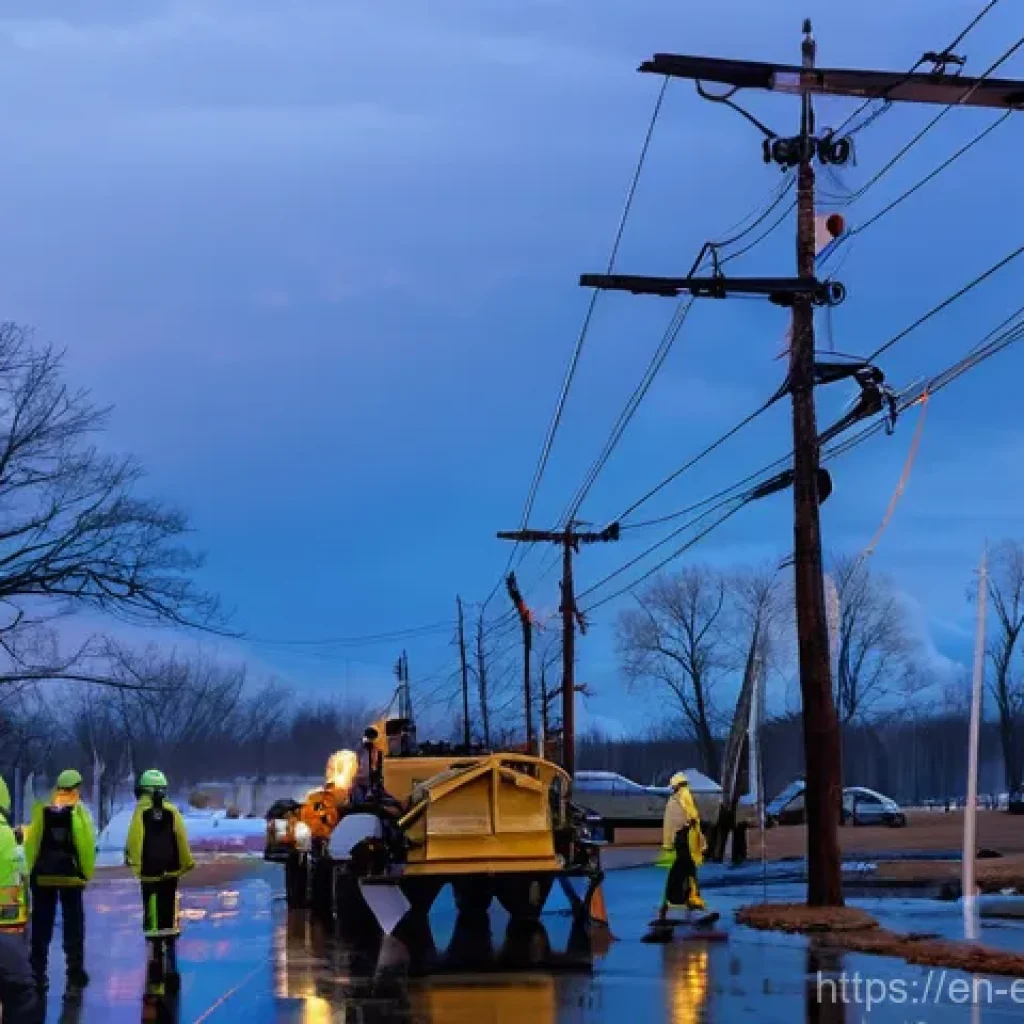
You know, it feels like every year we’re hearing about a new record being broken – hottest summer, strongest hurricane, most intense wildfire season. And for someone like me who’s always been fascinated by how our infrastructure holds up, it’s a constant reminder of just how fragile our power grid can be in the face of Mother Nature’s fury.
I distinctly remember the widespread outages during Hurricane Sandy on the East Coast, leaving millions in the dark for days, or the harrowing Texas power crisis in 2021 where freezing temperatures brought the entire system to its knees.
It wasn’t just an inconvenience; it was a life-threatening situation for many. These aren’t isolated incidents anymore; they’re becoming a chillingly regular feature of our climate landscape.
Our legacy grid, designed for a different era, simply wasn’t built to withstand such frequent and severe assaults. We’re talking about everything from overloaded transformers during scorching heatwaves to downed power lines from ice storms, and even infrastructure damage from rising sea levels.
It’s a daunting challenge, to say the least, and it demands a radical shift in how we approach grid design and maintenance. We can’t just fix what breaks; we need to anticipate and fortify.
Thinking about the sheer scale of investment and ingenuity required sometimes makes my head spin, but the alternative is far worse. I often find myself wondering what it must be like for the engineers on the front lines, making split-second decisions as a storm rages, trying to predict where the next point of failure will be.
It’s a job that requires not just technical skill but an almost prescient understanding of nature’s wrath. The stakes couldn’t be higher, and frankly, it keeps me up at night just thinking about it.
Preparing for a Future of Unpredictability
It’s not enough to simply rebuild after a disaster strikes; we need to be proactive, to literally build resilience into the very fabric of our power systems.
This means a multi-pronged approach, incorporating everything from hardened infrastructure – think undergrounding power lines in vulnerable areas, or using more robust materials – to implementing advanced weather forecasting and grid management systems.
I’ve heard experts talk about “microgrids” that can operate independently during a larger outage, providing critical power to hospitals and emergency services.
It’s an incredibly exciting concept that offers a localized layer of protection. Furthermore, investing in smart technologies that can reroute power automatically and isolate faults quickly can significantly reduce restoration times.
I recall a conversation with a utility engineer who emphasized that while the upfront cost of these upgrades seems significant, the long-term savings from fewer outages and faster recovery make it an undeniable necessity.
It’s about building a grid that’s not just strong, but smart and adaptable, capable of bending rather than breaking under pressure. The future of our power supply hinges on our ability to embrace these innovative solutions and to truly commit to a resilient energy infrastructure.
Without this forward-thinking approach, we’re essentially just hoping for the best, and when it comes to something as vital as electricity, hope isn’t a strategy.
The collective effort required from engineers, policymakers, and communities is immense, but the peace of mind that comes with a robust power system is truly invaluable.
The Renewable Revolution: Integrating New Energy Sources
Balancing the Inconsistent Flow of Green Power
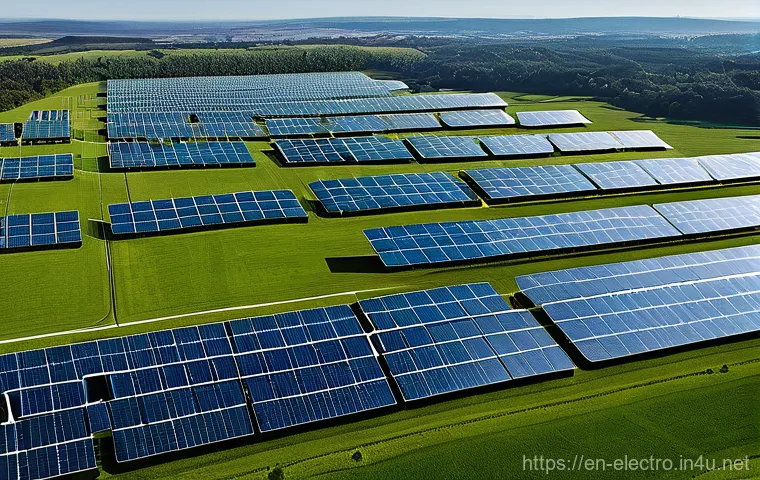
Okay, let’s talk about renewables – solar panels glinting in the sun, massive wind turbines silently turning. They’re amazing, right? A huge step towards a sustainable future!
But, and it’s a big “but,” integrating these fantastic sources into our existing power grid isn’t always a smooth sailing affair. The sun doesn’t shine 24/7, and the wind doesn’t blow consistently.
This intermittency creates a massive headache for grid operators who are constantly trying to balance supply and demand in real-time. I mean, imagine trying to bake a cake where your oven spontaneously turns off and on based on whether it’s cloudy outside!
That’s kind of what they’re dealing with. When I first learned about the complexities of integrating large-scale renewables, I was genuinely surprised.
It’s not just about hooking them up; it’s about predicting their output, managing fluctuations, and ensuring the grid remains stable without conventional power plants acting as a constant baseline.
This balancing act requires sophisticated forecasting models, quick-responding energy storage solutions like colossal battery farms, and incredibly smart grid controls that can redirect power almost instantaneously.
It’s a complete paradigm shift from the old centralized power station model, and the challenges are real, demanding innovative thinking and some serious technological muscle.
Smart Solutions for a Sustainable Tomorrow
So, how are we tackling this exciting yet challenging transition? Well, it boils down to smart technology and forward-thinking energy policies. I’ve been reading up on how utilities are deploying advanced grid management systems that use AI and machine learning to predict renewable output more accurately and optimize power flow.
Think about it: a system that can anticipate a dip in solar generation as a storm approaches and automatically ramp up other sources or draw from battery storage.
That’s pretty cool, right? Then there’s the push for grid-scale battery storage, which essentially acts as a giant energy piggy bank, storing surplus renewable energy when it’s abundant and releasing it when demand is high or renewable output is low.
I recently heard about a project in California where they’re building one of the world’s largest battery storage facilities, and honestly, the scale of it is mind-boggling.
Beyond that, demand-side management programs are becoming crucial, encouraging consumers to shift their energy use to off-peak hours, further balancing the load.
It’s not just about big tech, though; it’s about shifting our collective mindset and embracing these changes. The transition isn’t without its growing pains, but seeing the ingenuity and dedication going into solving these puzzles makes me incredibly optimistic about our energy future.
It truly feels like we’re writing a new chapter in how we power our lives, and it’s exhilarating.
Invisible Enemies: Cybersecurity Threats to Our Infrastructure
The Silent Battle for Our Digital Grid
It’s a scary thought, isn’t it? That something as fundamental as our electricity supply could be vulnerable to an attack you can’t even see. We’re talking about cybersecurity, and when it comes to the power grid, it’s not just about protecting data; it’s about safeguarding the very mechanisms that keep our lights on and our economies running.
In our increasingly connected world, every smart meter, every automated substation, and every control system connected to the internet becomes a potential entry point for malicious actors.
I remember reading about a cyberattack on Ukraine’s power grid a few years back that caused widespread outages, and it sent shivers down my spine. It really hammered home that this isn’t some theoretical threat from a Hollywood movie; it’s a very real and present danger.
These aren’t just kids in their basements, either; we’re talking about sophisticated state-sponsored groups or highly organized criminal enterprises looking to sow chaos, steal information, or even hold entire regions hostage.
The sheer complexity of modern power systems means there are countless points of vulnerability, and staying ahead of these threats is a constant, exhausting game of cat and mouse for the cybersecurity professionals.
It truly is the silent battle of our generation, fought in the digital realm but with very real-world consequences for every single one of us.
Fortifying Our Digital Defenses
So, what are we doing to fight back against these invisible adversaries? A lot, thankfully, but it’s an ongoing commitment. The first line of defense often involves incredibly robust cybersecurity protocols, network segmentation to isolate critical systems, and constant, real-time monitoring for unusual activity.
I’ve spoken with IT security folks who explain how they’re using AI-powered detection systems to spot anomalies that human eyes might miss, essentially creating a digital immune system for the grid.
Regular vulnerability assessments and penetration testing are also absolutely crucial – essentially, trying to hack your own system before the bad guys do, to find and patch weaknesses.
Beyond technology, there’s a huge emphasis on human training and awareness, because, let’s face it, a phishing email can sometimes be the easiest way for an attacker to get in.
I often think about the pressure on these cybersecurity teams; they have to be right 100% of the time, while the attackers only need to be right once.
It’s a relentless fight, but one that our dedicated experts are tackling head-on, sharing threat intelligence across utilities and national agencies to create a more unified defense.
It’s about building layers of security, fostering a culture of vigilance, and constantly adapting to new threats. Protecting our digital grid is not just a technical challenge, but a strategic imperative for national security and economic stability.
Smart Grid, Smarter Risks? The Digital Transformation
The Double-Edged Sword of Connectivity
When we talk about the “smart grid,” it sounds fantastic, doesn’t it? And in many ways, it is! Think about it: a power system that can self-heal, reroute power around faults automatically, and integrate diverse energy sources seamlessly.
It promises incredible efficiency, reliability, and responsiveness. But here’s the thing that often gets overlooked in the excitement: with every layer of intelligence and connectivity we add, we also introduce new layers of complexity and, consequently, new risks.
It’s a double-edged sword, truly. The more sensors, digital controls, and communication networks we integrate, the more avenues open up for things to go wrong, whether it’s a software glitch, a communication failure, or indeed, a targeted cyberattack.
I recall a fascinating article that discussed how the very interconnectedness that makes the smart grid so powerful could also, in a worst-case scenario, allow a localized issue to cascade into a widespread problem much faster than on an older, less connected grid.
The interdependencies are immense, and understanding how a failure in one component could affect another is a monumental task. It’s not just about having smart components; it’s about having a comprehensively smart *system* that can manage and mitigate these inherent complexities.
My mind often goes to the sheer volume of data these systems generate and how critical it is to process and secure all of it without overwhelming operators.
Managing the Intricacies of Digital Dependance
So, how do we harness the incredible benefits of the smart grid while diligently managing its inherent risks? It largely comes down to meticulous design, rigorous testing, and continuous monitoring.
Engineers are working tirelessly to build in redundancy, meaning if one part fails, another can immediately take over, much like having a backup generator for your backup generator!
They’re also focusing on designing systems with clear boundaries and independent operating segments, so a problem in one area doesn’t automatically bring down the whole network.
I’ve learned about the intense simulation and modeling that goes into new smart grid deployments, where they essentially try to break the system in a virtual environment to identify potential weaknesses before they become real-world problems.
Furthermore, the development of specialized grid-specific cybersecurity solutions, distinct from typical IT security, is paramount. This isn’t just about protecting your email; it’s about securing industrial control systems (ICS) that operate at a completely different level.
I genuinely believe that investing in the right expertise – people who deeply understand both power engineering and advanced digital systems – is probably the most critical factor.
Without that human element of oversight, problem-solving, and adaptability, even the smartest grid can falter. It’s a continuous learning curve, but one that’s absolutely essential for our energy future.
| Risk Category | Common Examples | Mitigation Strategies |
|---|---|---|
| Extreme Weather | Hurricanes, wildfires, ice storms, heatwaves | Undergrounding lines, reinforced infrastructure, advanced forecasting, microgrids, vegetation management |
| Cyber Threats | Hacking, data breaches, control system attacks, ransomware | Robust cybersecurity protocols, network segmentation, regular audits, threat intelligence sharing, multi-factor authentication |
| Aging Infrastructure | Outdated equipment, deteriorating components, insufficient capacity | Proactive maintenance schedules, infrastructure upgrades, smart sensors for predictive analytics, material innovation |
| Renewable Integration | Intermittency of solar/wind, grid stability challenges, voltage fluctuations | Energy storage solutions (batteries), smart grid controls, demand-side management, flexible generation, enhanced transmission lines |
| Physical Attacks & Vandalism | Targeted substation attacks, theft of equipment, protests | Enhanced physical security (fences, cameras), surveillance, distributed generation, rapid response teams, community engagement |
| Operational Errors | Human mistakes, communication failures, training gaps | Comprehensive training programs, automated fault detection, clear operational procedures, simulation exercises |
From Blackouts to Bright Ideas: Building Grid Resilience
Lessons Learned from the Dark
If there’s one thing history teaches us about power grids, it’s that outages, unfortunately, are inevitable. But what truly matters is how quickly we bounce back and what lessons we carry forward from those dark moments.
I’ve seen firsthand, or at least through countless news reports, the devastating impact of extended blackouts – from spoiling food and critical medication to disrupting emergency services and crippling businesses.
It’s not just an inconvenience; it can truly bring life to a standstill. The push for “grid resilience” isn’t just a fancy buzzword; it’s a fundamental shift in philosophy, moving beyond simply preventing failures to building a system that can absorb shocks, adapt to changing conditions, and recover rapidly when disruptions do occur.
It’s about creating a robust, flexible network that can withstand the worst that nature or nefarious actors can throw at it. I remember hearing about a utility that, after a major hurricane, completely redesigned its infrastructure to be more decentralized, allowing smaller sections to remain operational even if the main transmission lines went down.
That kind of innovative, adaptive thinking, born from painful experience, is precisely what we need more of. It’s expensive, yes, but the cost of not doing it is far, far greater.
We simply cannot afford to ignore the lessons learned from past failures.
Investing in a Future-Proof Power System
So, how do we make our grid truly resilient? It involves a strategic blend of technological upgrades, infrastructure hardening, and intelligent planning.
We’re talking about everything from modernizing aging components with more durable materials to deploying advanced sensors that can pinpoint problems before they escalate.
Microgrids, which I mentioned earlier, are a huge part of this strategy, allowing critical facilities like hospitals and emergency shelters to operate independently if the main grid goes down.
Think about solar panels with battery storage on community centers – a real game-changer during emergencies! Beyond that, we need to invest in more robust transmission and distribution lines, potentially even burying them in areas prone to severe weather.
I also think a crucial, yet often overlooked, aspect is the human element: ensuring we have a highly skilled workforce, from lineworkers to engineers, who are trained in the latest technologies and emergency response protocols.
It’s a massive undertaking, requiring billions of dollars in investment, but when you weigh it against the economic losses, social disruption, and human suffering caused by major outages, it’s an investment that pays dividends in safety, stability, and peace of mind.
Our future depends on a power system that isn’t just reliable today, but robust enough to face tomorrow’s unpredictable challenges head-on.
The Human Element: Operational Challenges and Expertise
The Unsung Heroes of Our Power Grid
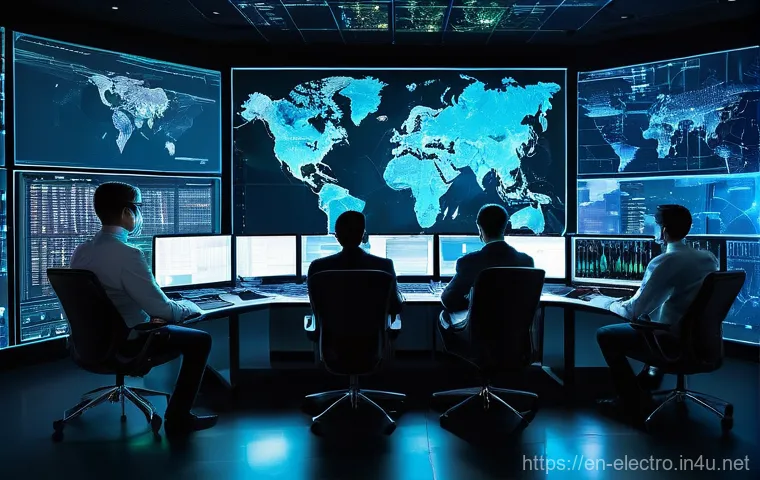
We often talk about the technology, the infrastructure, and the smart systems, but let’s not forget the incredible people who actually make it all work: the engineers, the lineworkers, the control room operators.
These are the unsung heroes who are constantly monitoring, maintaining, and responding to the power grid’s every whim. I often find myself thinking about the immense pressure on these individuals, especially during an emergency.
Imagine being in a control room during a massive storm, making split-second decisions that affect millions of people, trying to isolate faults and restore power while chaos reigns outside.
It takes incredible expertise, nerves of steel, and a deep understanding of complex systems. I remember watching a documentary about lineworkers who brave extreme weather conditions, climbing poles in freezing rain or scorching heat, often at great personal risk, just to get the lights back on.
Their dedication is truly awe-inspiring. It’s not a 9-to-5 job; it’s a 24/7 commitment to ensuring our modern world keeps running. The human element introduces its own set of challenges, from fatigue and stress during long emergencies to the continuous need for training and skill development as technologies evolve.
Their experience and intuition are invaluable, often catching issues that automated systems might miss.
Nurturing Expertise in a Changing Energy Landscape
As our power grid becomes more complex and integrates new technologies like renewables and smart sensors, the need for highly skilled and adaptable personnel is greater than ever.
It’s not just about traditional electrical engineering anymore; it’s about cybersecurity, data analytics, renewable energy integration, and advanced grid modeling.
I’ve noticed a growing emphasis on interdisciplinary training programs designed to equip the next generation of power professionals with a broader skillset.
Utilities are investing heavily in simulation training, allowing operators to practice responding to various scenarios, from cyberattacks to natural disasters, in a safe, controlled environment.
This hands-on experience is absolutely critical for building confidence and competence. Furthermore, fostering a culture of continuous learning and knowledge transfer from experienced veterans to new recruits is paramount.
Many of the seasoned professionals hold a wealth of institutional knowledge that isn’t always written down, and ensuring that wisdom is passed on is a huge challenge.
I genuinely believe that investing in our human capital – providing competitive salaries, excellent training, and a supportive work environment – is just as important as investing in physical infrastructure.
After all, the most advanced grid in the world is only as good as the people who operate and maintain it. They are the backbone of our energy security.
Innovation on the Horizon: Future-Proofing Our Power
Beyond Today: Cutting-Edge Technologies
If there’s one area that truly excites me about the power grid, it’s the relentless pace of innovation. It feels like every month there’s a new breakthrough, a new technology poised to transform how we generate, distribute, and consume electricity.
We’re moving beyond just fixing old problems and actively inventing solutions for challenges we haven’t even fully grasped yet. Think about advanced materials that can make power lines more efficient and less prone to sag in heat, or superconductivity that could drastically reduce energy loss during transmission.
Then there’s the burgeoning field of distributed energy resources – not just rooftop solar, but community batteries, electric vehicle fleets that can feed power back into the grid, and even smart appliances that can automatically adjust their consumption based on grid needs.
I’ve been reading about fascinating projects involving advanced nuclear reactors that are smaller, safer, and more flexible than traditional plants, offering a reliable, carbon-free power source.
And let’s not forget the incredible potential of artificial intelligence and machine learning to optimize every single aspect of grid operation, from predicting demand with uncanny accuracy to preemptively identifying equipment failures before they occur.
It truly feels like we’re on the cusp of an energy revolution, and the possibilities are endless.
Pioneering a Resilient and Sustainable Energy Future
The path to a truly future-proof power system isn’t just about individual technologies; it’s about how they all integrate and work together to create a cohesive, adaptive, and sustainable network.
This means not just adopting new tech but designing entirely new architectures for our energy delivery. Concepts like “energy clouds” or “grid-as-a-service” are starting to emerge, envisioning a future where electricity is a seamlessly managed commodity, dynamically flowing to where it’s needed most, generated from a diverse array of sources.
Policy and regulatory frameworks also need to evolve rapidly to keep pace with these innovations, ensuring that investment flows to the right places and that new technologies can be deployed efficiently and safely.
I believe strongly that international collaboration in research and development is also absolutely vital; no single country has all the answers, and by sharing knowledge and best practices, we can accelerate progress globally.
The goal isn’t just to keep the lights on; it’s to create an energy system that is environmentally sustainable, economically viable, and fundamentally resilient to whatever the future throws our way.
It’s an ambitious vision, but with the incredible talent and dedication I see across the energy sector, I’m genuinely optimistic that we can get there.
It will take continued innovation, smart policy, and a collective commitment, but the reward – a secure, clean energy future – is absolutely worth every effort.
Wrapping Things Up
Phew! We’ve covered a lot today, haven’t we? Diving deep into the complex world of our power grid truly makes you appreciate the incredible engineering and dedicated people behind the scenes. It’s clear that while we face significant hurdles—from the unpredictable wrath of Mother Nature to the insidious threats lurking in the digital realm—the ingenuity and commitment to innovation are equally powerful. This journey towards a more resilient, sustainable, and smarter energy future is a collective one, demanding continuous learning, strategic investment, and a whole lot of forward-thinking. My hope, as always, is that by understanding these challenges, we can all become more informed advocates for the vital infrastructure that quite literally powers our lives. It’s an exciting, albeit challenging, time to be connected to the world of energy!
Handy Info You’ll Want to Keep
1. The Grid is Constantly Evolving: It’s not a static entity but a dynamic system undergoing continuous upgrades and adaptations. Engineers are tirelessly working to integrate new technologies like AI for predictive maintenance and advanced sensors that can spot problems before they cause widespread outages. This means the grid you rely on today is vastly different, and hopefully more robust, than the one even a decade ago. It’s a testament to human innovation and a constant battle against obsolescence, ensuring our lights stay on despite ever-growing demands and external pressures. The pace of change can be dizzying, but it’s absolutely essential for maintaining reliability in a rapidly changing world. Keep an eye out for news on local smart grid initiatives – they’re happening all around us! Each upgrade, no matter how small, contributes to the larger picture of energy security for communities far and wide. It’s truly a marvel of modern engineering and a collaboration of countless minds.
2. Your Role in Resilience Matters: While utilities are doing the heavy lifting, individual actions contribute to overall grid resilience. Participating in demand-response programs, where you adjust your energy usage during peak times, helps balance the load and reduces strain on the system. Simple things like conserving energy, especially during extreme weather, can make a difference. Moreover, considering personal backup power solutions, like a small generator or a home battery system, can provide peace of mind during unexpected outages, allowing you to maintain essential services. Being prepared at home, with emergency kits and communication plans, is also a crucial, often overlooked, layer of resilience. It’s about being a proactive citizen rather than just a passive consumer, contributing to the collective strength of our energy ecosystem. Your choices, small as they may seem, collectively empower the grid.
3. Cybersecurity is Everyone’s Business: The digital threats facing our power grid are sophisticated and ever-present. While experts are working tirelessly to secure infrastructure, general cybersecurity hygiene, like using strong, unique passwords and being wary of phishing attempts, can indirectly protect the broader energy ecosystem. Many attacks target individuals to gain access to larger networks. Understanding that your personal digital footprint can have wider implications for critical infrastructure adds a new layer of responsibility. It’s a reminder that in our hyper-connected world, the line between personal and national security can sometimes blur, making digital vigilance a shared duty. Staying informed about the latest threats and adopting best practices for online safety is no longer just good practice; it’s a contribution to the stability of our essential services. We all play a part in defending the digital frontier.
4. Renewables Bring Unique Challenges (and Solutions!): Integrating solar and wind power isn’t as simple as plugging them in. Their intermittent nature requires advanced solutions like large-scale battery storage, sophisticated forecasting, and flexible grid management systems to maintain stability. The grid operators are essentially performing a constant, high-stakes ballet, trying to match fluctuating supply with fluctuating demand. This challenge has spurred incredible innovation, leading to the development of smart technologies that can predict weather patterns affecting renewable output and reroute power almost instantaneously. It’s a fascinating area of growth and development, continually pushing the boundaries of what’s possible in energy management. The journey to a fully renewable grid is complex but incredibly rewarding, demanding ingenuity and collaboration across the globe. We’re truly witnessing a revolution in how we power our world.
5. Microgrids are a Game-Changer: Imagine a small, self-sufficient power system that can disconnect from the main grid and operate independently, providing power to a hospital, a community center, or even an entire neighborhood during a major outage. That’s a microgrid! They’re becoming increasingly important for enhancing local resilience, especially for critical facilities. I’ve seen projects where schools are equipped with solar panels and battery storage, turning them into emergency shelters that can stay powered when the rest of the town is dark. This distributed approach to energy not only boosts reliability but also fosters local energy independence. It’s a truly exciting development that promises to add layers of protection and stability to our communities, ensuring vital services remain uninterrupted during the most challenging times. The future is looking increasingly decentralized and resilient, thanks to these localized power hubs.
Key Takeaways
So, after all this talk about grids, storms, and cybersecurity, what are the absolute essentials to remember? First, our power grid is under immense pressure from extreme weather events, making resilience a non-negotiable priority. Second, while the renewable revolution is exciting and necessary, integrating these intermittent sources requires sophisticated smart grid technologies and storage solutions. Third, the invisible threat of cyberattacks is a constant battle, demanding continuous vigilance and robust digital defenses to protect our critical infrastructure. Fourth, the “smart grid” is a double-edged sword, offering incredible benefits but also introducing new complexities and vulnerabilities that require careful management. Finally, and perhaps most importantly, the human element—the skilled engineers, lineworkers, and operators—remains the backbone of our energy security, working tirelessly to keep our lights on and our modern lives running. We’re in a period of unprecedented transformation, balancing innovation with the imperative to protect what’s already in place, all towards a more secure and sustainable energy future. It’s a fascinating, complex, and vital subject that impacts every one of us daily.
Frequently Asked Questions (FAQ) 📖
Q: With all these incredible changes and unpredictable events, what’s truly the biggest headache for our power grid right now?
A: Oh, where do I even begin? It feels like our power grid is caught in a perfect storm of challenges, and honestly, if I had to pick the absolute biggest headaches, they’d definitely be extreme weather, our aging infrastructure, those sneaky cyber threats, and this unprecedented surge in demand.
I mean, think about it: we’re seeing these wild heatwaves and brutal cold snaps more often than ever, and our current setup just isn’t always built to withstand them.
I remember during that crazy ice storm last winter, our whole neighborhood was out for days! It just highlights how vulnerable our older lines and substations are to Mother Nature’s fury.
Speaking of old, a huge chunk of our grid was laid down way back in the 60s and 70s, and let’s be real, a lot of it is just creaking along, nearing the end of its natural life.
It’s like asking a vintage car to win a Formula 1 race every single day – it’s just not designed for today’s demands. Then, there’s the invisible enemy: cyberattacks.
It’s terrifying to think about, but sophisticated hackers, sometimes even from other countries, are constantly trying to breach our energy systems. This isn’t just about stealing data; it’s about potentially taking down entire regions, which is a truly scary thought.
And finally, we’re all demanding more power! From charging our electric vehicles to powering massive data centers for AI, the amount of electricity we need is skyrocketing.
It’s a real balancing act, and these factors combined are putting immense pressure on grid operators to keep our lights on and our coffee machines brewing.
Q: How is the exciting shift to renewable energy actually impacting the stability of our power grid?
A: It’s a fantastic question, and one I get a lot! On one hand, I’m absolutely thrilled about the move towards cleaner energy. Who wouldn’t want more solar and wind power?
But here’s the honest truth from someone who’s really been digging into this: integrating renewables isn’t always a walk in the park for our existing grid.
The main challenge, as I’ve personally experienced, is their “intermittency” and “variability.” Unlike traditional power plants that can generate electricity on demand, the sun doesn’t always shine, and the wind doesn’t always blow consistently.
This unpredictable ebb and flow can lead to some real headaches for grid operators, causing things like voltage fluctuations and frequency instability.
Our older grid infrastructure was really designed for a one-way flow of power from large, centralized plants. Now, with decentralized sources like rooftop solar, we’re asking it to handle two-way traffic, and it’s simply not built for that kind of dynamic dance.
It’s like trying to merge a dozen new, fast-moving lanes onto an old highway without widening it first. Plus, many renewable sources lack the “inertia” of traditional generators, which is like the grid’s natural momentum.
Losing that can make the whole system more sensitive to sudden changes, increasing the risk of wider disruptions. So, while the end goal is definitely cleaner energy, the journey to a fully renewable grid requires some serious upgrades and smart solutions to ensure everything stays stable.
Q: So, what exactly are experts doing to make sure our lights stay on in the face of all these challenges?
A: Okay, this is where I get really excited about the future! Despite all those big challenges, there’s a huge amount of brilliant work happening behind the scenes to make our power grid more robust and reliable.
The big buzzword you’ll hear is “smart grids,” and it’s essentially taking our old, “dumb” electrical infrastructure and giving it a massive brain upgrade.
Think of it as a network equipped with advanced sensors, real-time data analytics, and even AI, allowing it to detect problems, isolate faults, and even reroute power before you even notice a flicker.
It’s truly amazing – like the grid can literally “heal itself.” Then there’s energy storage, especially those rapidly advancing battery systems. They’re total game-changers for balancing out the intermittency of renewables.
We can store excess solar or wind power and then release it when demand is high or generation is low, creating a much smoother, more reliable supply. Experts are also working on “hardening” the grid against extreme weather – sometimes that means burying power lines or using more resilient materials.
And for those ever-present cyber threats, it’s a non-stop battle, but utilities are investing heavily in advanced cybersecurity measures, working with national labs and government agencies to build self-defending systems and improve situational awareness.
There are even cool new “advanced transmission technologies” that help our existing power lines carry more electricity more efficiently. It’s a massive, coordinated effort involving innovative tech, strategic investments, and brilliant minds, all focused on building a grid that’s not just resilient but also adaptable for whatever the future throws our way.
It’s truly inspiring to see how committed everyone is to keeping our modern lives powered up!