The world of energy is buzzing with change, and honestly, it’s thrilling to watch! We’re living through a truly pivotal moment where renewable energy isn’t just a dream anymore – it’s quickly becoming our reality.
I mean, just last year, for the first time ever, renewables generated more electricity globally than coal, with solar and wind leading the charge! It really makes you stop and think about how far we’ve come, and what an incredible impact that shift will have on our planet and our wallets.
This isn’t just about saving the environment; it’s about smarter, more resilient ways to power our lives. From the incredible advancements in solar panels and battery storage that I’ve seen homeowners embracing to the rapid evolution of smart grids, our electrical systems are transforming right before our eyes.
It’s an exciting time, but with all this innovation, there are always new things to understand and challenges to navigate, like integrating all these diverse energy sources seamlessly into our existing infrastructure.
So, if you’re curious about how our homes and cities will be powered tomorrow and what you can do today, you’ve come to the right place! Ready to dive deeper into the electrifying future of energy?
Let’s uncover the secrets to a more sustainable power system together!The world of energy is buzzing with change, and honestly, it’s thrilling to watch!
We’re living through a truly pivotal moment where renewable energy isn’t just a dream anymore – it’s quickly becoming our reality. I mean, just last year, for the first time ever, renewables generated more electricity globally than coal, with solar and wind leading the charge.
It really makes you stop and think about how far we’ve come, and what an incredible impact that shift will have on our planet and our wallets. This isn’t just about saving the environment; it’s about smarter, more resilient ways to power our lives.
From the incredible advancements in solar panels and battery storage that I’ve seen homeowners embracing to the rapid evolution of smart grids, our electrical systems are transforming right before our eyes.
It’s an exciting time, but with all this innovation, there are always new things to understand and challenges to navigate, like integrating all these diverse energy sources seamlessly into our existing infrastructure.
So, if you’re curious about how our homes and cities will be powered tomorrow and what you can do today, you’ve come to the right place! Ready to dive deeper into the electrifying future of energy?
Let’s uncover the secrets to a more sustainable power system together!
The Untapped Potential of Solar and Wind: A Personal Glimpse
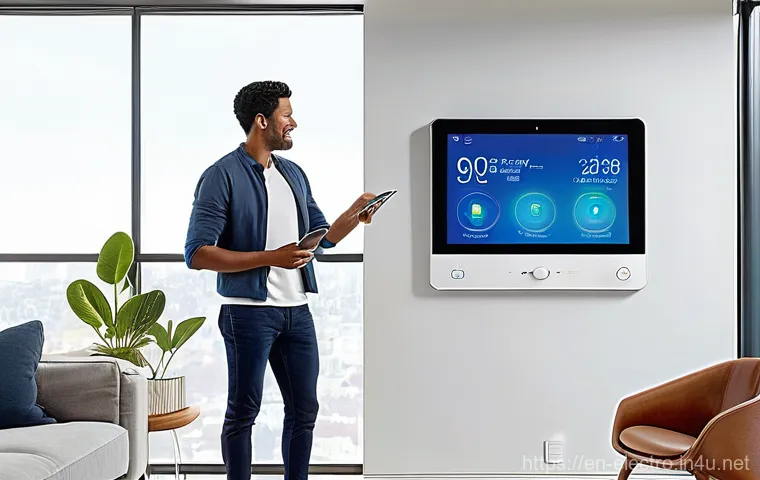
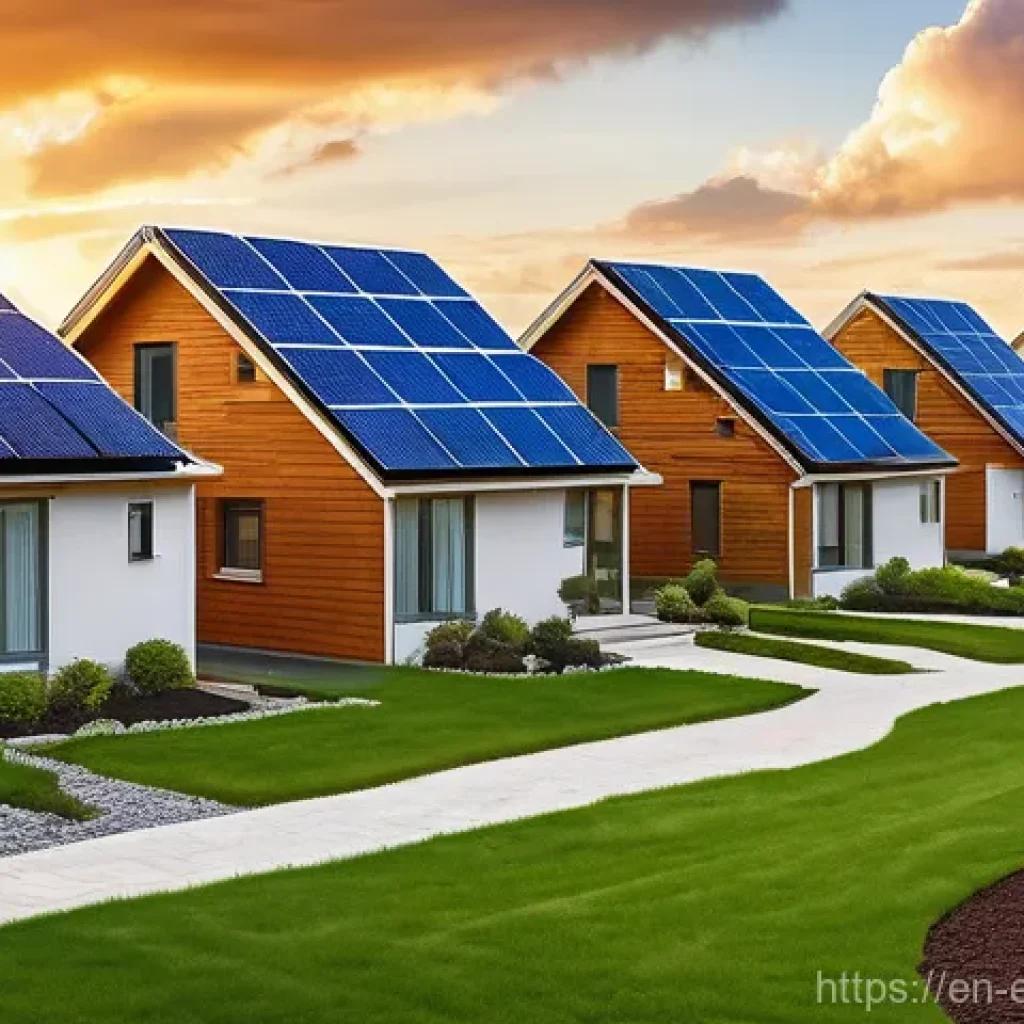
Honestly, seeing the sheer growth in solar panels popping up on rooftops and massive wind farms stretching across landscapes always gives me a thrill.
It’s not just about aesthetics; it’s a testament to how quickly we’re embracing these incredible natural resources. I remember years ago, solar felt like a niche, expensive dream, but today?
It’s a pragmatic, financially smart choice for so many. Just last summer, I was visiting a friend in Arizona, and his entire home ran almost exclusively on rooftop solar.
He was beaming, showing me his incredibly low electricity bills and how he even sells excess power back to the grid during peak daylight hours. That’s real, tangible impact right there!
The sheer scale of wind energy, especially with advancements in offshore wind technology, is equally mind-blowing. These aren’t just energy sources; they’re becoming cornerstones of local economies, creating jobs, and empowering communities to be more energy independent.
It truly feels like we’re moving past the “if” and into the “how” of making these powerhouses work for everyone. The beauty is, these aren’t just abstract concepts; they are actively shaping our daily lives and opening up exciting new avenues for innovation.
It’s truly a transformative era, and I personally find it incredibly inspiring to witness.
Solar’s Shifting Landscape: From Niche to Necessity
We’ve truly come a long way from the early days of solar. What was once seen as a premium, experimental technology has now become a mainstream, cost-effective solution for homeowners and businesses alike.
I’ve personally watched friends who were skeptical just a few years ago now proudly showcase their solar arrays, touting the environmental benefits alongside the impressive savings on their utility bills.
The advancements in panel efficiency and durability are incredible, making them a worthwhile long-term investment. Plus, the ease of installation and the variety of financing options available today make the switch far more accessible than ever before.
It’s no longer just for the early adopters; it’s a smart move for anyone looking to take control of their energy future.
Wind Power: Harnessing Nature’s Breath on a Grand Scale
When I think about wind power, I often imagine those majestic turbines gracefully spinning against a vast sky. But beyond their visual appeal, their contribution to our energy mix is truly monumental.
The technology has evolved so rapidly, allowing us to build taller, more efficient turbines that can capture even more energy. Offshore wind farms, in particular, are a game-changer, tapping into stronger, more consistent winds away from populated areas.
I’ve heard stories from folks living near these installations who’ve seen their communities thrive from the jobs and investments they bring. It’s a powerful reminder that while the concept is simple – harnessing the wind – the engineering and economic impact are profoundly sophisticated.
Beyond the Panel: Revolutionizing Energy Storage
Let’s be real, even with all the sunshine and wind we could ever hope for, renewable energy has a bit of an Achilles’ heel: intermittency. The sun doesn’t shine at night, and the wind doesn’t always blow on demand.
This used to be a massive hurdle, but I’ve been absolutely captivated by the incredible breakthroughs in energy storage solutions, particularly battery technology.
It feels like every month there’s a new announcement about a more efficient, longer-lasting, or cheaper battery. Remember when home batteries felt like something out of a sci-fi movie?
Now, I’m seeing them seamlessly integrated into smart homes, allowing families to store excess solar energy generated during the day and use it to power their homes after dark.
It’s not just about residential solutions, either. Utility-scale battery storage facilities are popping up, acting like giant energy sponges, soaking up surplus renewable power and releasing it back into the grid when demand is high or renewable generation is low.
This fundamental shift is what truly unlocks the full potential of renewables and is a testament to human ingenuity.
Home Batteries: Your Personal Power Bank
The idea of having a battery in your garage that powers your home, especially during an outage, is incredibly appealing. I’ve personally seen how home battery systems provide a profound sense of security and energy independence.
Imagine not worrying about power cuts during a storm because your solar panels are charging your battery, keeping the lights on and the fridge cold. These systems are getting smarter, too, learning your energy consumption patterns and optimizing when to charge and discharge to maximize savings.
It’s a significant investment, yes, but one that offers incredible peace of mind and often a solid return over time by reducing reliance on grid power during expensive peak hours.
Grid-Scale Storage: The Backbone of a Resilient Future
While home batteries are fantastic for individual households, the real heavy lifting for grid stability comes from massive, utility-scale storage projects.
These aren’t just oversized versions of what’s in your phone; they’re complex systems designed to manage gigawatts of power. I’ve followed stories of these installations being deployed in areas prone to grid instability, providing instantaneous power when needed and smoothing out the fluctuations from large-scale solar and wind farms.
It’s truly the missing link that allows us to integrate much higher percentages of renewables without compromising the reliability we all expect from our electrical supply.
This infrastructure is often unseen, but its impact is felt by every single person connected to the grid.
Smart Grids: The Brains Behind Our Energy Future
Think about our current electrical grid as a sprawling, somewhat antiquated highway system. Now, imagine transforming that into a super-intelligent, self-healing network that knows exactly where power is needed, where it’s being generated, and how to route it most efficiently.
That, my friends, is the promise of the smart grid, and it’s a vision that’s rapidly becoming a reality. From my vantage point, observing how homeowners interact with their energy, it’s clear that a smarter grid isn’t just a technical upgrade; it’s about empowerment.
It allows for two-way communication, meaning your smart thermostat can talk to the grid, and the grid can send signals to your appliances to use power when it’s cheapest or most readily available from renewable sources.
I’ve seen early adopters raving about how their smart home devices automatically adjust their usage to align with off-peak rates, saving them a bundle without them even lifting a finger.
This isn’t just about making the system more robust; it’s about making it more responsive, more efficient, and ultimately, more sustainable for everyone.
It’s like upgrading from a landline to a smartphone for our entire energy infrastructure!
Two-Way Communication: The Heart of the Smart Grid
The most significant departure from the old grid is its ability to communicate. Historically, electricity flowed one way: from power plant to home. With a smart grid, information flows in both directions.
This means your smart meter isn’t just sending usage data; it’s receiving signals about grid conditions, pricing, and even potential outages. I’ve personally found this fascinating because it opens up so many possibilities for consumers to be active participants in managing their energy use.
It’s like having a real-time conversation with your electricity provider, giving you unprecedented control and insight into your consumption. This feedback loop is essential for truly optimizing the energy system.
Optimizing Energy Flow: Efficiency at Its Best
Beyond communication, smart grids are designed for unparalleled efficiency. They use advanced sensors and analytics to detect issues, reroute power around faults, and prevent widespread outages before they even happen.
This predictive capability is a huge leap forward. I’ve noticed how this translates into more reliable power for homes and businesses, reducing the frustration of unexpected blackouts.
Furthermore, by integrating diverse energy sources, from massive solar farms to individual rooftop panels, the smart grid intelligently balances supply and demand, ensuring that clean, renewable energy is utilized whenever possible.
It’s a finely tuned orchestrator, making sure every joule of energy works its hardest.
Home Is Where the Power Is: Decentralized Energy for Everyone
There’s a really exciting shift happening, one that puts more power (literally!) into the hands of individuals and communities: the rise of decentralized energy.
For a long time, we relied on massive, centralized power plants feeding electricity through long transmission lines. But now, with rooftop solar, home batteries, and even community microgrids, the energy production is getting closer and closer to where it’s actually consumed.
I’ve personally felt a sense of empowerment from seeing neighbors invest in their own solar setups. They’re not just consumers anymore; they’re prosumers, both producing and consuming electricity.
This trend is a huge deal because it makes our entire energy system more resilient. If a big power plant goes down, or a transmission line is damaged, localized energy sources can keep things running, minimizing disruption.
It’s like having multiple small, independent generators rather than one giant, vulnerable one. And frankly, that gives me a lot of hope for a more robust future.
Microgrids: Community Powerhouses
Imagine a small town or a university campus that can essentially disconnect from the main grid and power itself using its own local energy sources and storage, especially during emergencies.
That’s a microgrid in action, and they are absolutely brilliant! I’ve been following several projects where communities are building these self-sufficient energy systems, often powered by a mix of solar, small wind turbines, and battery storage.
It’s a fantastic example of local resilience and a testament to how thinking small can lead to big impacts on energy security. For residents, it means less worry about widespread outages and more local control over their power supply.
Virtual Power Plants: Unlocking Collective Energy
Here’s a concept that really showcases the innovation in decentralized energy: Virtual Power Plants, or VPPs. It’s not a physical power plant, but rather a network of distributed energy resources – think thousands of home solar systems, smart thermostats, and electric vehicle chargers – all intelligently coordinated to act as one large power source.
I’ve spoken with people who are part of VPP programs, and they love the idea of contributing their excess solar power to the collective, earning a little extra cash, and helping to stabilize the grid.
It’s a brilliant way to aggregate small, individual contributions into a significant resource for the broader energy system, optimizing everyone’s impact without needing huge infrastructure.
Electric Vehicles and the Grid: A Symbiotic Relationship
If there’s one area where I’ve seen a dramatic shift that touches so many people, it’s the rise of electric vehicles (EVs). It feels like just yesterday they were a niche curiosity, and now, they’re everywhere!
What’s truly fascinating to me isn’t just the cars themselves, but how they’re becoming intricately linked with our evolving energy grid. It’s a beautiful, symbiotic relationship.
EVs need the grid for charging, obviously, but they also offer a huge, largely untapped potential for grid support. Imagine millions of EV batteries acting as giant, mobile energy storage units.
During off-peak hours, when renewable energy is abundant, your EV could be soaking up that clean power. Then, during peak demand or even an emergency, it could potentially feed some of that stored energy back to your home or even the grid.
I’ve heard incredible stories of people using their EV to power their home during a blackout, and that’s not just a party trick; it’s a glimpse into the future of energy resilience.
It’s a dynamic interplay that could fundamentally change how we manage electricity.
Charging Smarter: Beyond Just Plugging In
Gone are the days when charging an EV simply meant plugging it into an outlet. Now, with smart charging, it’s about optimizing *when* and *how* you charge.
I’ve personally seen how home charging stations can be programmed to top up your battery during off-peak hours when electricity is cheaper and often sourced from a higher percentage of renewables.
This isn’t just convenient; it’s financially savvy and environmentally responsible. Many utilities are even offering incentives for smart charging, making it a win-win.
It’s about being strategic, not just automatic, with your energy consumption.
Vehicle-to-Grid (V2G) Technology: EVs as Mobile Powerhouses
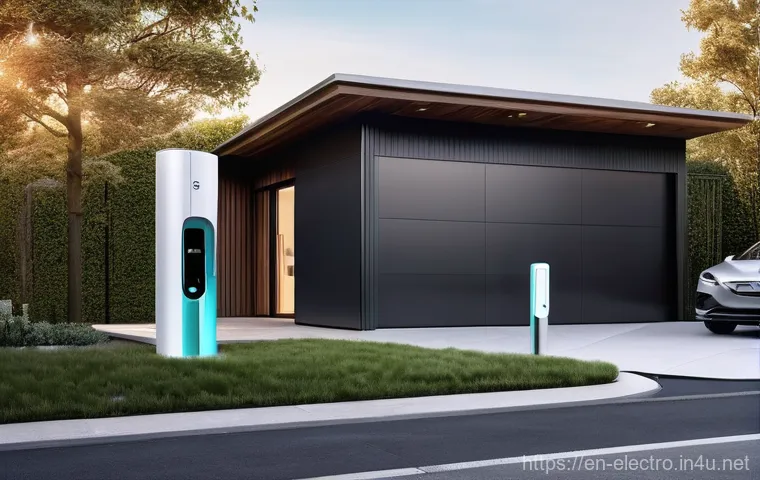
This is where the symbiotic relationship truly gets exciting: Vehicle-to-Grid (V2G) technology. The idea that your EV could not only draw power from the grid but also feed power *back* to it is a game-changer.
While still in its early stages of widespread adoption, I’ve seen pilot programs where V2G-enabled cars help balance the grid during fluctuations or even provide emergency backup power to homes.
Imagine your car becoming a giant, mobile battery bank for your house during a blackout – that’s a level of energy independence that was unimaginable just a few years ago.
It transforms EVs from mere transportation into active participants in our energy ecosystem.
Navigating the Challenges: What We Still Need to Solve
Okay, let’s be honest. While the future of energy is undeniably exciting and filled with innovation, it’s not without its bumps in the road. As someone who’s always digging into the nitty-gritty, I know that simply having the technology isn’t enough; we need to overcome some pretty significant hurdles to truly realize this sustainable vision.
One of the biggest challenges, and one I’ve personally wrestled with in trying to understand its complexity, is the sheer integration of all these disparate systems.
How do we seamlessly blend giant wind farms, rooftop solar, grid-scale batteries, and millions of smart homes into one cohesive, reliable network? Then there’s the infrastructure itself – upgrading aging transmission lines, building new ones, and ensuring our regulatory frameworks keep pace with technological advancements.
It’s a massive undertaking that requires not just technical prowess but also policy innovation and significant investment. But hey, facing challenges head-on is how we make real progress, right?
The Integration Conundrum: Making Everything Work Together
The beauty and the beast of our evolving energy system is its increasing complexity. We’re moving from a few large power plants to millions of distributed energy sources.
Integrating all of these – from a single solar panel on a garage roof to a massive offshore wind farm and everything in between – is a monumental task.
I’ve read about the incredible software and control systems being developed to manage this, and it really makes you appreciate the engineers working behind the scenes.
It’s not just about getting the power to flow; it’s about making it flow efficiently, reliably, and securely. This requires constant innovation and collaboration across many different sectors, which, while challenging, is also incredibly inspiring.
Policy, Investment, and Public Buy-In
Technology alone can’t solve everything. For this energy transition to truly succeed, we need robust policy frameworks, significant ongoing investment, and crucial public buy-in.
I’ve often thought about how complex it must be for policymakers to create regulations that encourage innovation while ensuring reliability and affordability.
And of course, the scale of investment needed for new infrastructure, research, and development is immense. But perhaps most importantly, we need people to understand the benefits, trust the changes, and actively participate.
It’s not enough for governments and corporations to lead; we, as individuals and communities, have a vital role to play in advocating for and embracing these changes.
| Challenge Area | Key Considerations | Impact on Energy Transition |
|---|---|---|
| Infrastructure Modernization | Upgrading aging grid, building new transmission lines, cybersecurity. | Essential for handling distributed energy, EV charging, and grid resilience. |
| Intermittency of Renewables | Solar only during day, wind variability. | Requires advanced energy storage and smart grid management for reliability. |
| Regulatory Frameworks | Outdated laws, market structures. | Needs adaptation to support new technologies and business models (e.g., V2G, microgrids). |
| Consumer Adoption & Cost | Initial investment in solar/EVs, understanding new technologies. | Crucial for widespread success; requires incentives, education, and affordability. |
| Supply Chain & Materials | Access to critical minerals for batteries, manufacturing capacity. | Impacts speed and cost of deployment of new energy technologies. |
Making the Switch: Practical Steps for a Greener Lifestyle
Alright, after diving deep into all these amazing advancements, you might be thinking, “This all sounds great, but what can *I* actually do?” And that, my friends, is exactly where the rubber meets the road!
The good news is, you don’t need to be an energy expert or own a power plant to make a difference. From what I’ve observed and personally experienced, even small, intentional changes can add up to a significant impact, not just on your carbon footprint but often on your wallet too.
It’s about taking control and being proactive. Whether it’s tweaking your home’s energy usage, thinking about your next vehicle, or simply understanding where your electricity comes from, every step contributes to building that more sustainable future we’ve been talking about.
And trust me, once you start, it’s actually quite empowering to see the tangible results.
Home Energy Hacks: Smart Choices for Your Space
Your home is a fantastic place to start making a real difference. I’ve personally experimented with a few things that made a noticeable impact on my energy bills.
Simply switching to LED lighting throughout your home is a no-brainer – they last longer and use so much less energy. Investing in a smart thermostat that learns your habits and optimizes heating and cooling can save you a bundle without you even thinking about it.
And if you’re feeling a bit more adventurous, consider a home energy audit. I did one a few years back, and the insights into where my home was leaking energy were eye-opening!
Simple fixes like sealing drafts or improving insulation can drastically reduce your consumption.
Considering Solar and EVs: Big Steps, Big Rewards
If you’re ready for a bigger leap, exploring rooftop solar for your home or considering an electric vehicle for your next car purchase can be incredibly rewarding.
I know it feels like a big decision, but the financial incentives, environmental benefits, and sheer coolness factor make them increasingly attractive.
For solar, many companies offer lease or loan options that make the upfront cost manageable, and the long-term savings are often substantial. And with EVs, the range anxiety that once plagued prospective buyers is largely a thing of the past, with charging infrastructure growing rapidly.
It’s about making a conscious choice to be part of the solution, and trust me, you won’t regret it!
The Human Touch: My Personal Journey in Energy
Let’s get a bit personal for a moment. All this talk about energy, technology, and grids isn’t just abstract theory for me; it’s a topic that truly fascinates and motivates me.
I remember years ago, feeling a bit overwhelmed by the sheer scale of climate change and wondering if individual actions even mattered. It was actually seeing a small, local community install their own solar microgrid that truly clicked for me.
The tangible change, the immediate benefits, and the sense of collective purpose were incredibly inspiring. Since then, I’ve made it a point to not just read about these advancements but to talk to the people making them happen, the homeowners adopting them, and the innovators pushing the boundaries.
It’s this human element – the passion, the ingenuity, the shared desire for a better future – that truly drives my enthusiasm for this field. My own journey into understanding and advocating for sustainable energy has been incredibly rewarding, showing me that every single one of us has a role to play, big or small.
From Skeptic to Advocate: My Energy Revelation
I’ll admit, when I first started exploring renewable energy, I was a bit of a skeptic. I heard all the arguments about cost, reliability, and feasibility.
But the more I delved into it, the more I realized that the narrative was quickly changing. It wasn’t just about saving the planet; it was about smart economics, technological innovation, and building resilient communities.
My personal “a-ha!” moment came when I visited a local community solar project. Seeing how neighbors pooled resources to invest in solar panels that benefited everyone, regardless of whether they owned their roof, truly opened my eyes to the power of collective action.
That experience transformed me from a passive observer into an eager advocate, eager to share these incredible stories.
The Power of Storytelling: Sharing Our Collective Journey
One of the most rewarding parts of being an “energy enthusiast” is connecting with others and sharing these stories. I’ve met so many incredible individuals, from engineers designing next-gen batteries to families who’ve completely transformed their homes with smart energy solutions.
Each conversation adds another layer to my understanding and fuels my passion even further. It’s not just about facts and figures; it’s about the human experience behind the numbers.
It’s about the excitement of seeing a new technology emerge, the satisfaction of lowering your carbon footprint, and the hope for a cleaner, more sustainable future for everyone.
And that, to me, is truly electrifying.
Wrapping Things Up
Well, we’ve certainly covered a lot of ground today, haven’t we? From the incredible advancements in solar and wind power to the game-changing potential of energy storage and smart grids, it’s clear we’re living through an extraordinary energy revolution. For me, personally, seeing these innovations not just on paper, but in real homes and communities, truly brings the future to life. It’s a journey filled with exciting possibilities, and one where every single one of us has a role to play. I genuinely hope this dive into the world of sustainable energy has sparked some curiosity and perhaps even inspired you to consider how you can be a part of this amazing transformation. The future is bright, and it’s being powered by us!
Handy Info You’ll Want to Keep
1. Check Your Energy Bills: Take a moment to truly understand your electricity bill. Many providers now offer insights into peak usage times and even show how much of your energy comes from renewable sources. Knowing this can help you make smarter consumption choices.
2. Explore Local Incentives: Whether you’re considering solar panels or an EV, look into state, federal, or local incentives. Tax credits, rebates, and financing programs can significantly reduce the upfront cost, making sustainable choices much more affordable.
3. Smart Home, Smart Savings: Invest in smart home devices like thermostats, lighting, and power strips. These can optimize your energy use, often learning your habits and adjusting automatically to save you money without sacrificing comfort.
4. Understand Your EV Charging Options: If you own or are considering an electric vehicle, familiarize yourself with different charging levels (Level 1, 2, DC Fast Charging) and local charging infrastructure. Apps like PlugShare can be incredibly useful for planning trips and finding available chargers.
5. Talk to Your Utility Provider: Many utility companies offer programs related to demand response, smart metering, or even community solar. A quick call can reveal opportunities to save money, support renewables, or participate in innovative energy initiatives.
Key Takeaways
Our energy landscape is undergoing a remarkable evolution, driven by relentless innovation in renewable sources like solar and wind, alongside critical advancements in battery storage and smart grid technologies. This shift isn’t just about environmental responsibility; it’s ushering in an era of greater energy independence, resilience, and efficiency for homes and communities. From decentralized power solutions like microgrids and virtual power plants to the symbiotic relationship between electric vehicles and the grid, the future is dynamic and interconnected. While challenges remain in infrastructure and policy, personal actions—from smart home choices to adopting renewable technologies—play a crucial role in building a sustainable, human-centric energy future. It’s an exciting time to be an energy enthusiast, and I’m genuinely thrilled to be on this journey with you!
Frequently Asked Questions (FAQ) 📖
Q: How can everyday people like us actually get involved and benefit from this renewable energy revolution right now?
A: Oh, this is one of my absolute favorite questions because the answer is so empowering! You might think it’s all about massive power plants, but honestly, there’s so much you can do right in your own home.
I’ve seen countless homeowners, including some friends of mine, install rooftop solar panels, and the shift in their electricity bills is truly eye-opening.
Not only are they generating their own clean power, but many are also selling excess energy back to the grid, turning their roof into a little income generator!
Beyond direct solar, think about smart home devices. I mean, I personally love using smart thermostats that learn my habits and optimize heating and cooling, cutting down on wasted energy.
And let’s not forget about electric vehicles! Charging up at home, especially if you have solar, feels like getting free fuel. Even simpler steps, like switching to energy-efficient appliances and being more mindful of your consumption, contribute significantly.
Every little bit truly adds up, not just for the planet, but for your wallet too – believe me, I’ve tracked my own savings, and it’s a tangible difference!
Q: What are the biggest hurdles we face in making renewable energy our primary power source, and how are we tackling them?
A: You’ve hit on a really crucial point here. While the enthusiasm for renewables is incredibly strong, it’s not without its challenges. From my perspective, one of the biggest sticking points has always been “intermittency” – you know, the sun doesn’t always shine, and the wind doesn’t always blow.
This means we need reliable ways to store energy for when demand is high but renewable generation is low. That’s where battery storage comes in, and the advancements there are just breathtaking!
I’m talking about larger-scale grid batteries and even smaller home systems that allow you to capture solar power during the day and use it at night. Another biggie is upgrading our existing grid.
Our old electrical infrastructure wasn’t really built for a two-way flow of power from millions of distributed sources. But folks are actively working on “smart grids” right now, which are essentially digital, intelligent networks that can manage this complex flow, anticipate demand, and even reroute power when needed.
It’s a massive undertaking, but the sheer brainpower and investment going into it makes me incredibly optimistic about overcoming these hurdles.
Q: Beyond solar and wind, what other exciting renewable technologies should we be keeping an eye on for the future?
A: Oh, this is where it gets really fun and futuristic! While solar and wind are certainly leading the charge (and rightfully so!), there are some other incredibly promising technologies that are bubbling up and could play a massive role.
One that always fascinates me is geothermal energy. Imagine tapping into the earth’s natural heat – it’s a constant, reliable source that’s available 24/7!
I’ve seen pilot projects that are doing amazing things with enhanced geothermal systems. Then there’s hydropower, which isn’t new, but innovative approaches like tidal and wave energy are gaining traction, especially in coastal regions.
Think about the sheer, consistent power of the ocean – it’s immense! Biomass is also evolving, moving beyond simple burning to more advanced biofuels and sustainable waste-to-energy solutions.
And while still in early stages, some truly out-of-the-box ideas like airborne wind energy systems, which use kites or drones to capture higher-altitude winds, are absolutely wild to think about.
It’s clear that humanity is incredibly inventive when it comes to harnessing nature’s power, and I genuinely believe we’re just scratching the surface of what’s possible!